How Many Units for Masseter Botox: Complete Dosing Guide
Learn exactly how many Botox units you need for masseter treatment. Covers typical doses for jaw slimming vs TMJ, factors affecting your amount.

The masseter muscle is one of the strongest in your body. Pound for pound, it generates more force than any other muscle you have. That strength means masseter Botox requires significantly more units than typical facial treatments. While your forehead might need 10 to 30 units and your 11 lines 15 to 25 units, masseter treatment commonly uses 40 to 100 units per side. That's a big range. This guide explains exactly how providers determine your ideal dose, what factors push the number higher or lower, and what to expect whether you're treating for jaw slimming, TMJ pain, or teeth grinding. UseBotox created this comprehensive dosing resource because understanding your unit needs helps you budget accurately, communicate effectively with providers, and set realistic expectations for results.
Why masseter treatment uses more units
Before diving into specific numbers, you need to understand why masseter dosing differs so dramatically from other facial areas. The masseter isn't like the delicate muscles around your eyes or the thin frontalis across your forehead. It's a workhorse.
Every time you chew, clench, or grind your teeth, the masseter contracts. For people who chew gum constantly, clench during stress, or grind at night, this muscle gets a serious workout. Over time, it can hypertrophy, growing larger and stronger just like any muscle you exercise repeatedly.
This size and strength means more Botox is needed to achieve meaningful relaxation. Where 4 units might transform your lip flip results, that same amount wouldn't register in your masseter. The muscle would shrug it off and keep functioning normally.
The volume difference explained
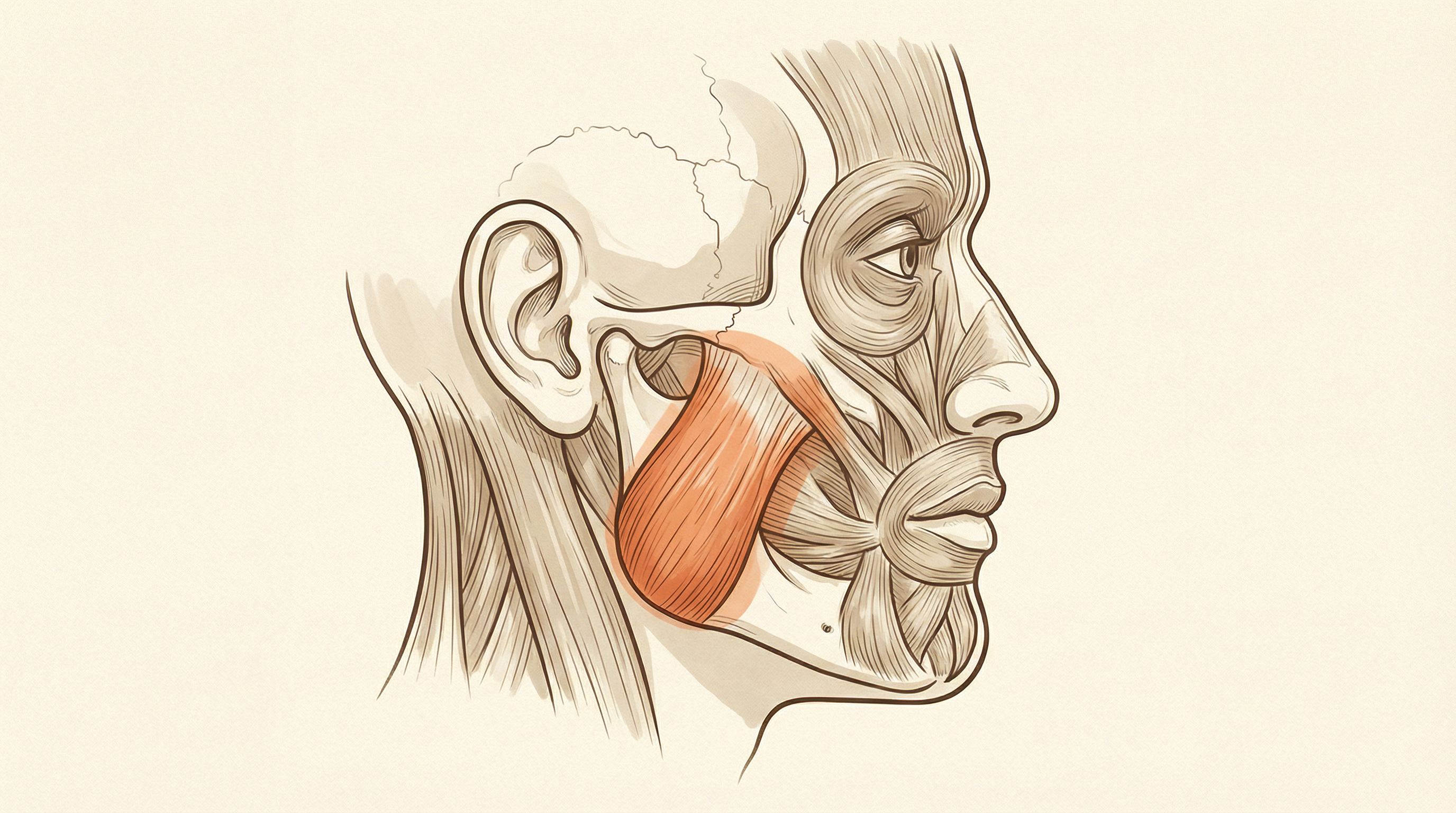
Think of it this way. Your crow's feet involve the thin orbicularis oculi muscle surrounding your eye. Relaxing it requires modest doses distributed across a small area. Your masseter, by contrast, is a thick rectangular muscle extending from your cheekbone to your jawline. Its bulk requires proportionally more product to achieve the same degree of relaxation.
The Botox units calculator accounts for these differences when estimating treatment needs. But masseter dosing involves more individual variation than almost any other treatment area.
Standard masseter dosing ranges
Let's get specific about what most patients receive. These numbers represent typical ranges from experienced providers. Your personal dose will fall somewhere within them based on factors we'll discuss.
First-time masseter patients
If you've never had masseter Botox before, most providers start conservatively. The typical first-time range is 25 to 40 units per side, totaling 50 to 80 units for both masseters. This conservative approach serves several purposes.
First, it lets your provider see how you respond. Some patients are sensitive and achieve significant results with lower doses. Others have extremely strong muscles that need higher amounts. Starting moderate and adjusting at follow-up prevents both under-treatment and over-treatment.
Second, it avoids functional complications. The masseter helps you chew. Over-relaxing it too quickly can temporarily affect your bite strength. While this rarely causes problems, gradual dose increases feel safer for first-timers.
Third, it manages expectations. Masseter results develop slowly over weeks, not days. Starting with a moderate dose and building helps patients understand the timeline without frustration.
Experienced patients with established protocols
Patients who've had multiple masseter treatments often receive higher doses as their provider optimizes their protocol. The typical experienced patient range is 40 to 60 units per side, totaling 80 to 120 units for both sides.
Some patients with particularly large or strong masseters receive even more. Doses up to 100 units per side exist, though they're less common and reserved for specific situations.
Treatment goal affects dosing
Your reason for getting masseter Botox significantly influences unit counts.
Jaw slimming for aesthetics: Patients seeking a slimmer, more V-shaped face typically need enough units to cause actual muscle atrophy over time. This often means higher doses, usually 40 to 60 units per side, maintained consistently to prevent the muscle from rebuilding.
TMJ pain relief: Patients treating TMJ dysfunction may find relief with moderate doses. The goal is reducing clenching force rather than dramatically shrinking the muscle. Doses of 25 to 50 units per side often work well for pain management.
Bruxism and teeth grinding: Teeth grinding treatment aims to weaken nighttime clenching. This requires enough product to reduce involuntary muscle activity during sleep. Typical doses range from 30 to 50 units per side.
Combination goals: Many patients want both aesthetic slimming and functional relief. These combination goals often warrant higher doses to address both concerns effectively.
Factors that affect your personal dosing
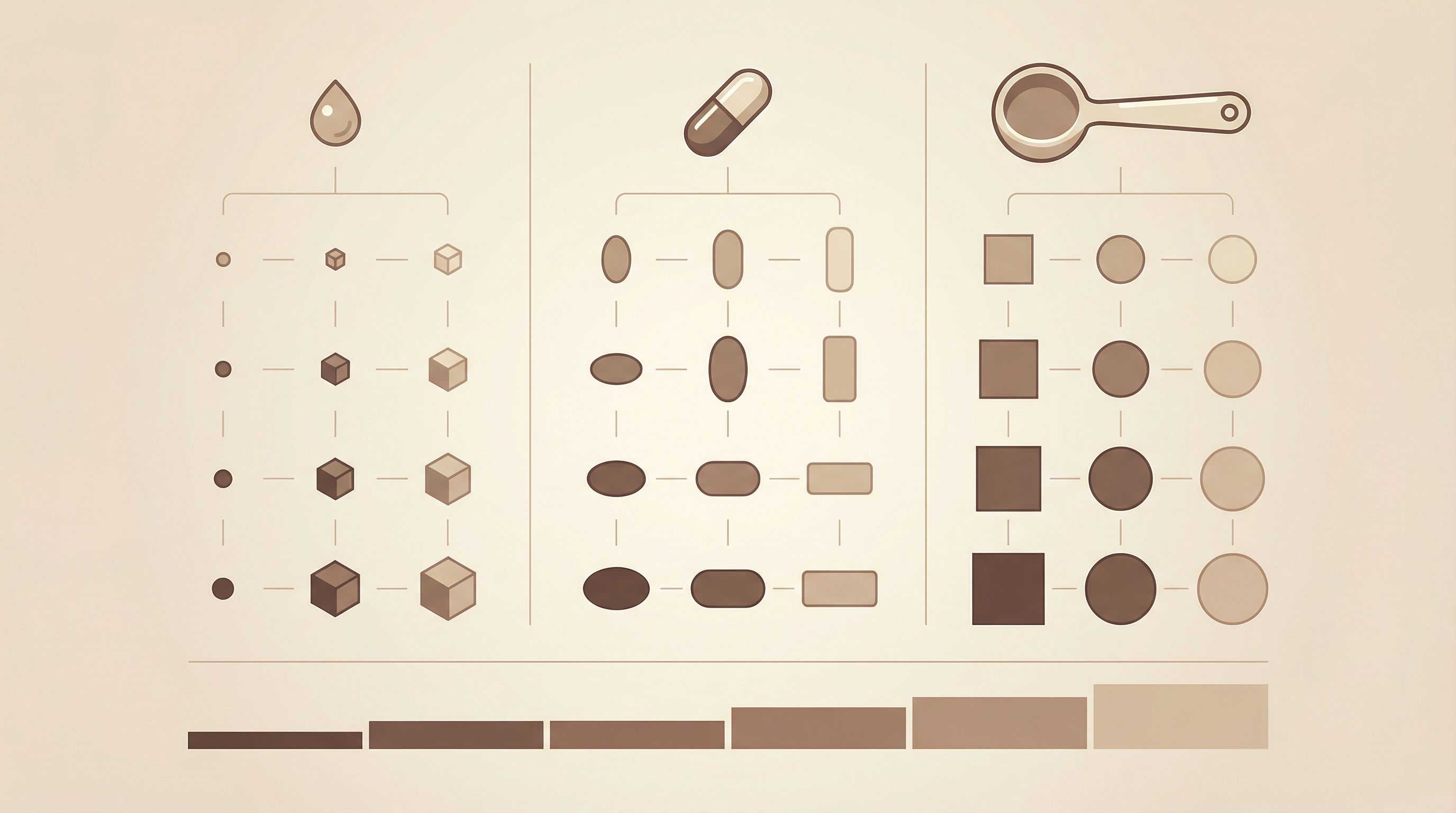
That wide range of 25 to 100 units per side exists because individuals vary enormously. Here's what influences where you fall.
Muscle size and bulk
The single biggest factor. Someone with naturally petite facial structure and minimal masseter development needs far fewer units than someone with pronounced, bulky jaw muscles. Providers assess muscle size through visual examination and palpation, feeling the muscle while you clench.
Muscle bulk develops from genetics, habits, and history. Some people inherit strong jaws. Others develop masseter hypertrophy from years of gum chewing, teeth grinding, or stress clenching. The more developed your muscle, the more units you'll likely need.
Treatment goals and desired outcome
What result do you want? Subtle softening of the jawline requires less product than dramatic transformation. Mild TMJ relief needs less than complete cessation of grinding. Your goals directly inform dosing recommendations.
Be specific with your provider during consultation. Saying "I want my jaw smaller" is less helpful than "I want my face to look more oval from the front" or "I want to stop breaking teeth from grinding." Specific goals lead to specific dosing plans.
Gender differences
Men typically need higher masseter doses than women. Male jaw muscles tend toward larger size and greater strength. The hormone profile that builds male muscle mass also builds bigger masseters.
Average male dosing often starts around 40 to 50 units per side, while average female dosing might start at 25 to 40 units per side. These are generalizations with significant individual variation, but gender provides a starting point for estimates.
Botox for men across all treatment areas generally requires higher unit counts, and masseter treatment is no exception.
Previous Botox experience
Your history with neuromodulators matters. First-time patients sometimes respond more dramatically to initial treatments. Long-term users may have already achieved some muscle reduction, requiring maintenance doses rather than aggressive building doses.
Patients with established masseter protocols often maintain results with 30 to 40 units per side every 4 to 6 months. The muscle has already reduced in size. Maintenance prevents regrowth rather than forcing initial shrinkage.
Lifestyle factors
Certain habits affect both muscle development and Botox metabolism. Frequent gum chewers have more developed masseters requiring higher doses. Athletes and highly active people may metabolize Botox faster. Stress-related clenchers often have hypertrophied muscles.
Understanding your lifestyle helps providers estimate appropriate dosing and predict how long results will last.
How providers determine your dose
During your consultation, an experienced provider assesses several things to calculate your ideal units.
Visual assessment
They'll look at your face from multiple angles, noting jaw width, facial shape, and visible masseter bulk. They might ask you to clench so they can see the muscle activate and assess its prominence.
Palpation
Feeling the muscle while you clench tells them a lot. They can assess thickness, tension, and the extent of hypertrophy. A rock-hard, prominent masseter during clenching suggests higher dosing needs.
Medical history review
They'll ask about TMJ symptoms, grinding habits, previous dental work, and any history of jaw problems. This informs whether treatment serves medical or aesthetic purposes and what outcomes to target.
Goal discussion
What do you want to achieve? How dramatic a change? Are you treating pain, aesthetics, or both? This conversation shapes the treatment plan more than any physical assessment.
Experience and judgment
Ultimately, dosing involves professional judgment developed over hundreds or thousands of treatments. Experienced providers develop intuition about what works for different patients. This is why choosing qualified providers matters so much for masseter treatment.
The jaw slimming dosing protocol
For patients primarily seeking facial slimming, treatment often follows a specific progression.
Initial treatment
First session typically uses 30 to 50 units per side, depending on initial muscle bulk. This creates noticeable but not dramatic slimming while establishing how you respond.
Follow-up assessment
At 6 to 8 weeks, your provider evaluates results. Masseter changes happen slowly. Full effects take longer than typical facial Botox. They'll assess how much slimming occurred and whether you're satisfied.
Dose optimization
Based on results, subsequent treatments adjust dosing. If initial response was modest, units increase. If you achieved good results, the same dose continues. If slimming was dramatic, dose might decrease for maintenance.
Maintenance phase
Once optimal results are achieved, many patients maintain with 30 to 40 units per side every 4 to 6 months. The muscle has reduced in size. Maintenance prevents regrowth rather than forcing continued shrinkage.
Long-term considerations
Some patients achieve lasting jaw slimming after several years of consistent treatment. The muscle essentially learns to stay smaller even with reduced Botox frequency. Others need ongoing maintenance indefinitely. Your provider tracks your response and adjusts accordingly.
TMJ and bruxism dosing specifics
Medical treatment for jaw dysfunction involves different considerations than purely aesthetic treatment.
Symptom severity
Mild TMJ discomfort responds to lower doses. Severe pain with limited jaw mobility may need aggressive treatment. Your symptom level guides initial dosing.
Bruxism intensity
Occasional grinding differs from nightly teeth destruction. Patients who've cracked teeth or wear night guards consistently often need higher doses to adequately reduce grinding force.
Insurance considerations
Insurance coverage for TMJ Botox exists in some cases but requires documented medical necessity. Dosing for insurance-covered treatment may follow specific protocols. Your provider can advise on documentation requirements.
Dental coordination
Many TMJ patients work with both dentists and injectors. Your dentist might recommend specific dosing based on bite analysis. Coordination between providers optimizes outcomes.
Functional balance
TMJ treatment must balance symptom relief with maintained chewing function. Over-treatment can make eating difficult. Under-treatment fails to relieve pain. Finding the right balance often takes a treatment or two.
Cost implications of masseter dosing
Masseter Botox costs more than typical facial treatments because it uses more units. Understanding the math helps you budget appropriately.
Per-unit pricing
Standard Botox pricing ranges from $10 to $25 per unit depending on location and provider. Using the Botox cost calculator, you can estimate treatment costs for your area.
Total treatment cost examples
At $15 per unit:
- Conservative first treatment (50 units total): $750
- Moderate treatment (80 units total): $1,200
- Aggressive treatment (100 units total): $1,500
- High-dose treatment (120+ units total): $1,800+
These costs exceed typical forehead or frown line treatments significantly. Budget accordingly.
Frequency considerations
Masseter results last longer than some facial treatments, often 4 to 6 months versus 3 to 4 months. The frequency calculator helps estimate annual treatment schedules. Even with longer duration, annual costs add up.
Value comparison
Despite higher per-treatment costs, masseter Botox offers value through multiple benefits. Jaw slimming, pain relief, teeth protection, headache reduction. The multi-benefit nature justifies the investment for many patients.
Results timeline for masseter treatment
Masseter Botox works differently than typical facial treatments. Understanding the timeline prevents frustration.
Week 1
Minimal visible change. The Botox is binding to nerve receptors, but the muscle hasn't shrunk yet. Don't panic if you see nothing. This is normal.
Weeks 2-3
You might notice slight softening when you clench. The muscle doesn't bulge quite as dramatically. But visible slimming is still minimal. The results timeline differs significantly from other treatment areas here.
Weeks 4-6
This is when aesthetic changes become visible. The muscle is weakening from disuse. You'll start seeing a slimmer jawline, especially from the front. Photos taken now versus before treatment show real difference.
Weeks 6-8
Peak results for most patients. Maximum slimming has occurred. The muscle has atrophied as much as this treatment cycle will produce. Before and after comparison shows the most dramatic difference now.
Months 3-4
Results remain stable for most patients. Some see gradual return of muscle bulk as Botox wears off. Others maintain slimming longer. Individual variation is significant.
Months 4-6
Most patients benefit from retreatment around this time. Waiting too long allows the muscle to fully rebuild, requiring higher doses again. Consistent treatment maintains results more efficiently than sporadic treatment.
Common questions about masseter units
Can I request a specific number of units?
You can express preferences, but trust your provider's assessment. They see your anatomy and know what typically works. Demanding specific units without clinical basis often leads to suboptimal results.
What if my dose seems higher than average?
Some patients genuinely need more units. Large masseters require more product. If your provider explains why higher dosing suits your anatomy, that's not a red flag. It's individualized care.
What if my dose seems lower than friends received?
Same principle. Your anatomy differs from others. Lower doses for smaller muscles are appropriate. Don't assume more units equal better results.
Can I split treatment across appointments?
Some providers offer staged treatment, especially for first-timers nervous about high unit counts. You might receive half the planned dose initially, then add more at follow-up based on response.
Should I expect the same dose every time?
Doses often decrease over time as muscles shrink and maintenance becomes easier. Your first treatment might use 80 units while maintenance uses 60. This progression is normal and cost-effective.
Comparing masseter to other treatment areas
Context helps understand why masseter units seem high. Here's how dosing by area compares:
Forehead lines: 10-30 units total Frown lines (11s): 15-25 units total Crow's feet: 12-24 units total (both sides) Lip flip: 4-10 units total Bunny lines: 5-10 units total Masseter: 50-120+ units total (both sides)
The masseter stands out as requiring dramatically more product. This isn't overtreatment. It's appropriate dosing for a much larger, stronger muscle.
Alternative neurotoxins for masseter
Botox isn't the only option. Other neuromodulators work for masseter treatment with slightly different unit conversions.
Dysport
Dysport uses different unit measurements than Botox. The conversion is roughly 2.5 to 3 Dysport units per 1 Botox unit. So 50 Botox units might equal 125-150 Dysport units. Don't compare unit counts directly between products.
Xeomin
Xeomin converts approximately 1:1 with Botox. Fifty Xeomin units roughly equals 50 Botox units for masseter treatment.
Jeuveau
Jeuveau also converts approximately 1:1 with Botox. Unit counts are generally comparable.
Daxxify
Daxxify lasts longer than traditional neuromodulators. Dosing may differ based on the extended duration. Discuss with your provider if considering Daxxify for masseter treatment.
Men versus women: dosing differences explained
Gender significantly impacts masseter dosing, and understanding why helps set appropriate expectations.
Why men typically need more units
Male jaw muscles develop differently than female jaw muscles. Testosterone promotes muscle growth throughout the body, including the masseters. Men also tend toward larger overall facial structure with proportionally bigger jaw muscles.
The typical male patient starts with 40 to 50 units per side compared to 25 to 40 for women. This isn't discrimination in pricing or treatment. It's biology. The same degree of muscle relaxation requires more product in larger, stronger muscles.
Botox for men acknowledges these differences across all treatment areas. Men consistently need higher doses for equivalent results.

Male aesthetic goals
Men seeking masseter treatment often have different goals than women. Complete V-shaped transformation might appear overly feminine on a male face. Many men want reduced bulk while maintaining masculine jaw definition.
Dosing for male aesthetics often targets moderate slimming rather than dramatic narrowing. The goal is a refined, less bulky jawline that still reads as masculine. This nuanced goal affects how providers approach dosing.
Female aesthetic goals
Women often seek more dramatic V-shaped transformation. The current aesthetic preference for heart-shaped or oval faces drives many women toward more aggressive masseter treatment.
Higher female doses, though lower than male doses in absolute terms, may represent more aggressive treatment relative to muscle size. A woman receiving 40 units per side might be getting proportionally more dramatic treatment than a man receiving 50 units per side.

Functional treatment differences
For TMJ and bruxism treatment, gender differences become less pronounced. The goal is pain relief and muscle relaxation, not aesthetic transformation. Dosing targets symptom relief regardless of gender, though larger muscles still need more product.
Side effects and dosing relationship
Higher doses potentially mean higher risk of certain side effects. Understanding this relationship helps you make informed decisions.
Temporary chewing weakness
The most common side effect of masseter Botox is temporary difficulty chewing tough foods. This occurs because the muscle that powers chewing is weakened. Higher doses create more weakness.
For most patients, this presents as minor inconvenience lasting a few weeks. Switching to softer foods temporarily solves the problem. The weakness resolves as Botox effects stabilize and you adapt to the new muscle strength.
Extremely high doses in patients with smaller muscles can cause more pronounced chewing difficulty. This is why conservative initial dosing protects first-time patients from functional complications.
Jaw fatigue
Some patients experience jaw tiredness, especially during prolonged chewing. This reflects the reduced muscle capacity and typically improves within weeks as adaptation occurs.
Asymmetric results
If dosing doesn't match muscle asymmetry, results can appear uneven. One side might slim more than the other, or functional weakness might affect one side more dramatically.
Experienced providers assess asymmetry before treatment and dose accordingly. If your masseters differ in size or strength, your treatment should reflect that difference.
Smile changes
In rare cases, masseter Botox affects nearby muscles and temporarily changes smile appearance. This is more likely with higher doses or injection placement too close to other facial muscles.
The risk is small with proper technique, but worth understanding. Any smile changes are temporary and resolve as Botox wears off.
Salivary gland effects
The parotid salivary gland sits near the masseter. In rare cases, high-dose treatment can affect salivary function. This is uncommon with standard dosing but worth mentioning for comprehensive understanding.
The science behind masseter reduction
Understanding how Botox actually shrinks the muscle helps explain why dosing matters so much.
Mechanism of action
Botox blocks nerve signals to muscles, preventing contraction. When the masseter can't contract normally, it can't work. Muscles that don't work atrophy, shrinking from disuse.
This is the same principle behind astronaut muscle loss in space. Without resistance work, muscles waste away. Botox creates artificial disuse in targeted muscles.
Dose-response relationship
More units create more complete nerve blockade. Higher doses prevent more muscle fibers from contracting. This creates more profound weakness and ultimately more atrophy.
However, there's a ceiling effect. Beyond a certain dose, additional units provide diminishing returns. The nerve receptors are already saturated. Extra product doesn't help significantly.
Finding the optimal dose means using enough product for meaningful results without wasting units on saturated receptors. This optimization is why experienced providers often achieve better results with fewer units than inexperienced providers using more.
Time course of atrophy
Muscle atrophy takes time. Unlike facial line smoothing that appears within days, masseter reduction happens over weeks. The muscle must be weakened long enough for actual tissue loss to occur.
This extended timeline is why results seem slow compared to other Botox treatments. You're not just relaxing a muscle. You're causing it to physically shrink. That biological process can't be rushed regardless of dosing.
Recovery and regrowth
When Botox wears off, nerve function returns. The muscle can contract again. If you stop treatment, the muscle can regrow to its original size, though this typically takes many months.
Consistent treatment maintains results by preventing regrowth. Maintenance doses keep the muscle in a weakened state, preventing the exercise that would rebuild it. This is why ongoing treatment works better than sporadic treatment.
Combining masseter with other treatments
Many patients combine masseter Botox with other treatments for comprehensive facial enhancement.
With other facial Botox
Combining masseter treatment with forehead, frown lines, and crow's feet treatment is common. The Botox units calculator can estimate total units across all areas.
Total unit counts for comprehensive treatment easily exceed 100 units. Masseter alone might be 80 units. Add forehead (20 units), 11 lines (20 units), and crow's feet (20 units), and you're at 140 total units. Understanding this helps with budgeting and expectations.
With chin treatment
Chin Botox for dimpling combines naturally with masseter treatment. Both target the lower face. Treating both areas together creates comprehensive lower face rejuvenation.
Adding 10 to 20 units for chin treatment to your masseter dose provides meaningful improvement without dramatically increasing total units.
With jawline definition
Some patients add small amounts of filler along the jawline to enhance definition after masseter slimming. The Botox slims the muscle bulk. The filler creates sharp contour along the jaw angle.
This combination approach can create dramatic jawline transformation that neither treatment achieves alone.
With neck treatment
Neck Botox or the Nefertiti lift combines well with masseter treatment for overall lower face and neck rejuvenation. Treating the jawline, masseters, and neck together creates comprehensive improvement.
When masseter Botox isn't enough
Sometimes Botox alone doesn't achieve desired results. Understanding limitations helps set expectations.
Bone structure limits
Botox shrinks muscle, not bone. If your wide jaw results from bone structure rather than muscle bulk, Botox provides modest improvement at best. Dramatic bone-based jaw width requires surgical intervention.
Skin laxity
Shrinking the muscle quickly can sometimes leave loose skin along the jawline, especially in older patients. The muscle that filled out the area is gone, but skin doesn't always tighten to match. This is rare but possible.
Fat deposits
Jowling or fullness from fat rather than muscle won't respond to Botox. Lower face concerns involving fat may need different approaches like fillers or surgical options.
Unrealistic expectations
Botox creates meaningful jaw slimming but doesn't produce impossible transformation. Someone expecting their square jaw to become dramatically heart-shaped may be disappointed regardless of dosing.
Finding your optimal protocol
Masseter treatment is highly individual. Your optimal protocol develops over time through collaboration with your provider.
Document your experience
Track what doses you receive, when you see results, how long they last, and your satisfaction level. This information helps refine future treatments.
Communicate openly
Tell your provider what's working and what isn't. If you want more slimming, say so. If results are lasting well, mention it. Open communication leads to optimized protocols.
Be patient
Finding the perfect masseter protocol often takes 2-3 treatment cycles. Initial treatment establishes baseline response. Subsequent treatments refine dosing. Don't expect perfection immediately.
Consider maintenance realistic
Masseter Botox isn't one-and-done. Budget for ongoing treatment if you want maintained results. Plan for 2-3 treatments annually at minimum.
Preparing for your masseter treatment
Proper preparation helps treatment go smoothly.
Pre-treatment guidelines
Follow standard Botox preparation recommendations. Avoid blood thinners if possible. Skip alcohol before treatment. Arrive with a clean face.
Know your goals
Come to your appointment knowing exactly what you want to achieve. Aesthetic slimming? Pain relief? Both? Clear goals help your provider dose appropriately.
Understand the timeline
Don't expect immediate results. Masseter slimming takes weeks. Knowing this prevents disappointment and unnecessary concern during the slow development phase.
Plan for follow-up
Schedule a follow-up assessment at 6-8 weeks. This appointment lets your provider evaluate results and plan any adjustments for future treatments.
Aftercare for masseter treatment
Post-treatment care supports optimal results.
Immediate aftercare
Standard Botox aftercare applies. Avoid rubbing the area. Stay upright for several hours. Skip intense exercise on treatment day.
Chewing considerations
Some providers recommend soft foods for the first day or two. This isn't strictly necessary but may help avoid engaging the treated muscle intensively while Botox is still settling.
Activity resumption
Normal activities resume quickly. You might feel slight jaw fatigue during the first week as the muscle weakens. This is normal and resolves as you adapt.
Watch for complications
Rare complications include temporary bite changes, difficulty chewing tough foods, or asymmetric results. Report any concerning symptoms to your provider promptly.
Real patient dosing scenarios
Understanding how dosing works in practice helps set expectations. Here are typical scenarios providers encounter.
Scenario 1: Young woman seeking subtle slimming
A 28-year-old woman wants mild jaw slimming. She doesn't grind her teeth. Her masseters are moderately developed from occasional gum chewing. She wants subtle refinement, not dramatic change.
Typical dose: 25-30 units per side (50-60 total) Expected results: Modest softening of jaw angles over 6-8 weeks Maintenance: Every 4-5 months at similar or slightly lower dose
Scenario 2: Man with significant bruxism
A 42-year-old man grinds his teeth severely at night. He's cracked two molars. His masseters are visibly bulky from years of grinding. His dentist recommended Botox. He also wants some aesthetic slimming.
Typical dose: 50-60 units per side (100-120 total) Expected results: Significant reduction in grinding force within weeks, visible slimming by week 6-8 Maintenance: Every 4-6 months, potentially reducing dose as grinding decreases
Scenario 3: Woman with TMJ pain
A 35-year-old woman has chronic jaw pain and tension headaches. Her masseters are moderately developed. She doesn't care about aesthetics. She just wants pain relief.
Typical dose: 30-40 units per side (60-80 total) Expected results: Pain reduction within 2-3 weeks, maintained with consistent treatment Maintenance: Every 3-4 months based on symptom return
Scenario 4: Dramatic transformation seeker
A 32-year-old woman wants significant V-shaped transformation. Her masseters are quite bulky. She's committed to multiple treatments for dramatic results.
Typical dose: 40-50 units per side initially (80-100 total), potentially increasing based on response Expected results: Noticeable slimming by week 6, continued improvement with subsequent treatments Maintenance: Every 4 months initially, extending as optimal results are achieved
These scenarios illustrate how individual factors combine to determine appropriate dosing. Your situation likely resembles one of these patterns. Your provider will assess which scenario best matches your anatomy and goals, then customize your treatment plan accordingly.
Tracking your treatment over time
Documenting your masseter journey helps optimize future treatments.
What to record
Keep notes on units received each session, when you first noticed changes, peak results timing, how long results lasted, any side effects experienced, and your satisfaction level. This information proves invaluable for protocol refinement.
Photo documentation
Take standardized photos before each treatment and at regular intervals afterward. Front view and three-quarter views work best for tracking jaw changes. The before and after guide explains proper photo documentation techniques that really help you see your results clearly.
Communication with providers
Share your tracking information at each appointment. If results lasted longer than expected, mention it. If you want more dramatic slimming, say so. This feedback loop creates progressively better outcomes.
Frequently asked questions
Is 50 units per side too much for first treatment?
Not necessarily. Patients with significant masseter hypertrophy may need 50 units per side even initially. Trust your provider's assessment of your specific anatomy.
Is 25 units per side too little to see results?
For some patients, 25 units per side produces noticeable slimming. It depends on your muscle size and treatment goals. Lower doses work fine for modest concerns or sensitive responders.
How do I know if I need masseter Botox?
Common indicators include a square or wide jaw you want to slim, TMJ pain or jaw tension, teeth grinding symptoms, or frequent jaw clenching. Consultation with a qualified provider determines if treatment suits your situation.
Will masseter Botox affect my ability to chew?
Properly dosed treatment rarely affects functional chewing significantly. You might notice slight weakness with tough or chewy foods initially. Normal eating remains unaffected for most patients.
How often will I need treatment?
Most patients return every 4-6 months initially. Some achieve longer-lasting results after multiple treatments and stretch to 6+ months between sessions.
Can masseter Botox slim my whole face?
Masseter treatment slims the lower face and jawline specifically. It doesn't affect cheeks, midface, or other areas. For overall facial slimming, consider face slimming approaches targeting multiple areas.
What if one side needs more than the other?
Asymmetric dosing is common. If one masseter is larger or stronger, it gets more units. Your provider assesses both sides individually and doses accordingly.
Will results look natural?
When properly dosed, masseter results appear natural. The goal is a softer, more contoured jawline, not dramatic transformation. Experienced providers achieve natural-looking outcomes consistently.
Related guides
- Masseter Botox: Complete treatment overview
- Botox for TMJ: Medical treatment for jaw dysfunction
- Botox for Bruxism: Treating teeth grinding with Botox
- Botox Units Calculator: Estimate units for all treatment areas
- Botox Cost Calculator: Budget for your treatment
Sources
- American Academy of Facial Plastic and Reconstructive Surgery: Guidelines for facial contouring procedures
- American Academy of Orofacial Pain: TMJ treatment standards
- FDA: Botulinum toxin approved uses and safety information
In case I don't see you, good afternoon, good evening, and good night. May your jaw stay comfortable, your dosing stay optimal, and your results stay beautifully natural. Explore UseBotox for comprehensive guides and calculators to plan your treatment.