Botox Before and After Pics: Real Results by Treatment Area
See what Botox actually looks like before and after treatment. Real expectations for forehead, 11 lines, crow's feet, and more.
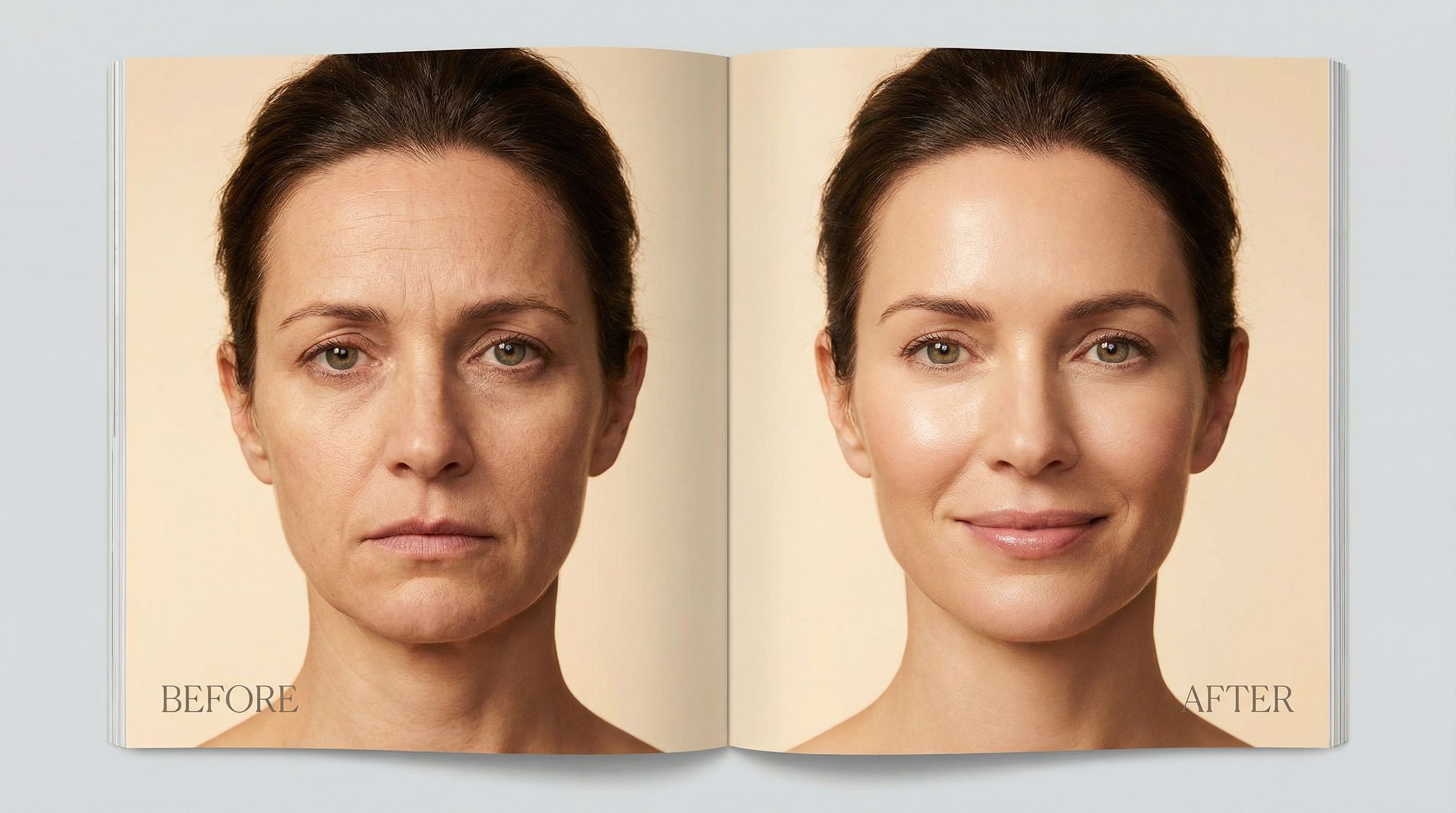
You've seen the celebrity transformations. The Instagram reveals. The dramatic side-by-side comparisons that make Botox look like magic. But what does Botox actually look like on regular people? What results can you realistically expect? Botox before and after pics can be incredibly helpful when setting expectations, but they can also be misleading if you don't know what to look for. This guide shows you what real results look like across every major treatment area, explains the timeline of changes you'll see, and teaches you how to evaluate before and after photos critically. UseBotox created this comprehensive visual guide because understanding realistic outcomes is the first step toward satisfaction with your results.
Why before and after photos matter
Before and after photographs serve several purposes in aesthetic medicine. They help patients visualize potential outcomes. They demonstrate a provider's skill level. They set realistic expectations. And they document the natural progression of results over time.
But not all before and after photos are created equal. Lighting differences can exaggerate or minimize results. Facial expressions can be manipulated to enhance apparent improvements. Photo editing, though unethical, happens more than you'd think. Understanding what you're looking at helps you make better decisions about your own treatment.
What to look for in quality before/after photos
Legitimate comparison photos share certain characteristics. The lighting should be identical in both images, ideally bright and even across the face. The angle should match precisely. Facial expression should be the same, whether at rest or making a specific movement like frowning. The time between photos should be clearly stated.
Red flags include dramatic lighting differences, different angles, photos obviously taken with different cameras or in different settings, and watermarks from stock photo sites. If something looks too good to be true, it probably is.
When results actually appear
Understanding the Botox results timeline helps you evaluate before and after photos appropriately. Botox doesn't work instantly. The progression looks like this:
Days 1-3: Minimal visible change. The neurotoxin is binding to nerve receptors but hasn't fully blocked muscle signals yet. Before and after photos taken during this window show almost nothing.
Days 4-7: Initial softening begins. Lines appear less deep at rest. Movement in treated areas decreases. This is when you start noticing something different.
Day 7 versus day 14 shows the most dramatic transformation. By two weeks, full results have developed. Muscles are maximally relaxed. Lines have softened as much as they will. This is the optimal time for "after" photos.
Weeks 3-4: Results remain stable. This is peak Botox. Photos taken during this period represent your best outcome.
Months 2-4: Gradual return of movement. Results fade slowly as nerve function recovers. Late "after" photos may show diminished effects.
Forehead lines before and after
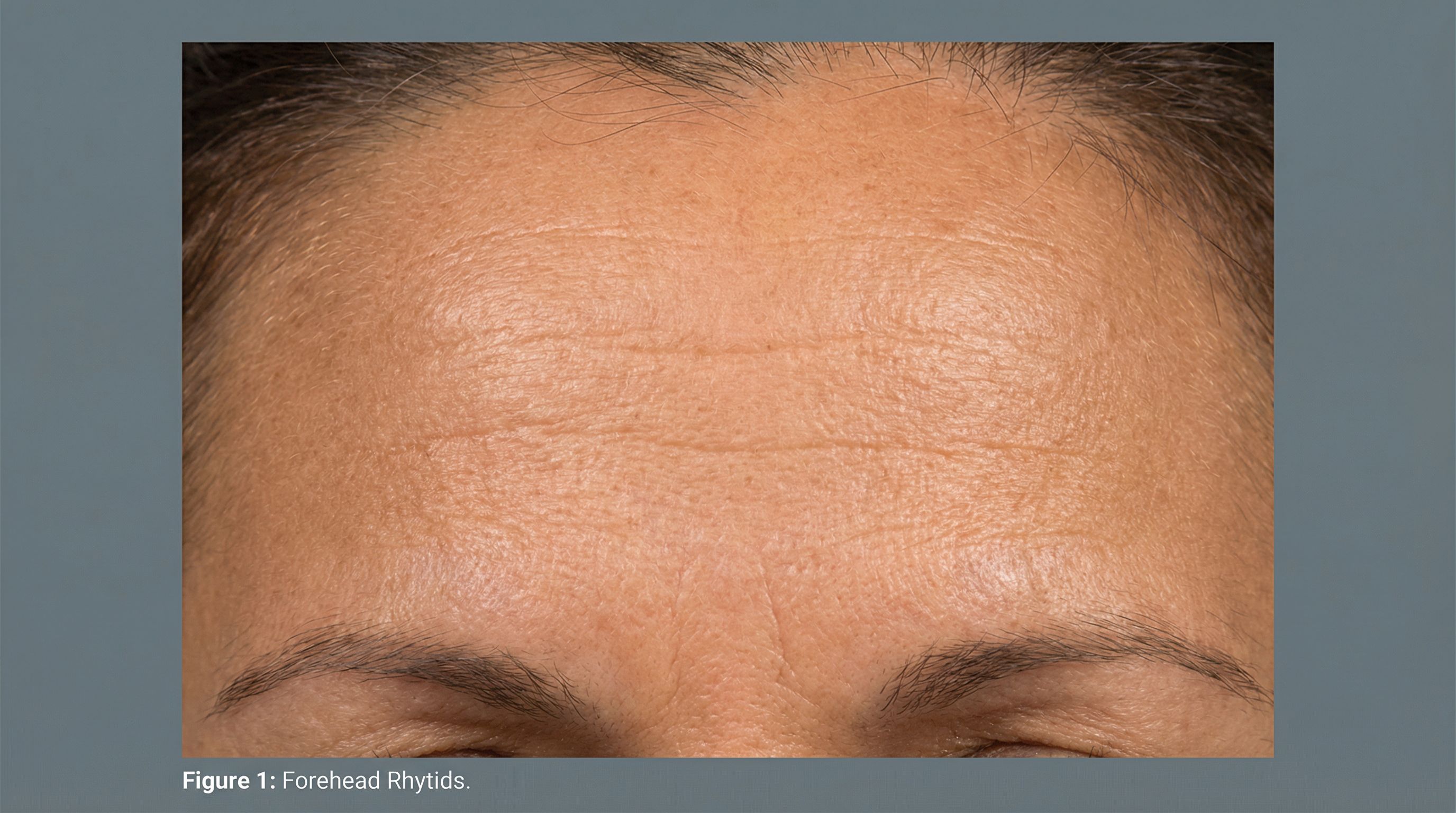
Forehead Botox targets the horizontal lines that form when you raise your eyebrows. These lines develop from repeated frontalis muscle contraction over years. In some people, they're barely visible. In others, deep grooves etch across the entire forehead even at rest.
What realistic results look like
Good forehead results show significant softening of lines without complete freezing of expression. You should still be able to raise your eyebrows somewhat, just with less extreme wrinkling. The forehead appears smoother, more refreshed, and less tired.
Before photos typically show visible horizontal lines at rest that deepen dramatically when eyebrows raise. After photos show these lines softened or eliminated at rest, with much less dramatic deepening during eyebrow movement.
Common concerns with forehead treatment
Heavy brows can occur if the forehead is over-treated or if the injection technique doesn't account for individual anatomy. When the frontalis muscle relaxes too much, it can't counteract the downward pull of the brow muscles. The result is eyebrows that feel or appear lower.
Quality before and after photos of forehead treatment should show natural-looking results with maintained ability to express. Complete inability to move the forehead, while smooth, looks unnatural and isn't the goal of skilled treatment.
Typical dosing and expectations
Most patients receive 10-30 units for forehead lines, though individual needs vary significantly. Factors affecting dose include forehead size, muscle strength, line depth, and whether this is a first treatment or maintenance session.
The Botox units calculator can help estimate your likely needs, but your provider will assess your specific anatomy during consultation.
Frown lines (11 lines) before and after
The 11 lines between your eyebrows are among the most commonly treated areas. These vertical furrows form from repeated contraction of the corrugator and procerus muscles, the muscles you use when frowning, concentrating, or squinting at screens.
What the transformation looks like
Before treatment, these lines often appear as two distinct vertical grooves between the brows. Some people have a single central line. Others have multiple creases extending outward. At rest, these lines may be barely visible or deeply etched depending on age and skin quality.
After Botox, the muscles creating these furrows relax. The lines soften significantly. In younger patients or those with superficial lines, they may disappear completely. In patients with deep, established creases, improvement is dramatic but complete erasure may require additional treatments or filler to address the static line.
The glabellar complex
Skilled treatment of 11 lines addresses the entire glabellar complex, not just one muscle. This includes the corrugator supercilii (creates the vertical lines), the procerus (creates horizontal lines at the bridge of the nose), and sometimes the depressor supercilii (pulls brows down).
Before and after photos should show improvement both at rest and during frowning. The patient should be able to show some expression but without the deep furrows that previously formed.
Why results vary
Results in this area depend heavily on several factors. Line depth matters enormously. Superficial dynamic lines (visible only during movement) respond beautifully. Deep static lines (visible even at rest) improve but may not vanish. Skin quality affects how well lines smooth once muscle relaxation occurs.
Previous Botox experience also plays a role. First-time patients sometimes see dramatic results as muscles that have never been relaxed finally soften. Long-term users may have already trained their muscles to stay relaxed, making the maintenance effect more subtle.
Crow's feet before and after
Crow's feet radiate outward from the outer corners of your eyes. They form from the orbicularis oculi muscle, the circular muscle that closes your eyelids and crinkles when you smile. Everyone develops these lines eventually. They're sometimes called "smile lines" or "laugh lines" because they're most visible during genuine expressions of joy.
Before and after expectations
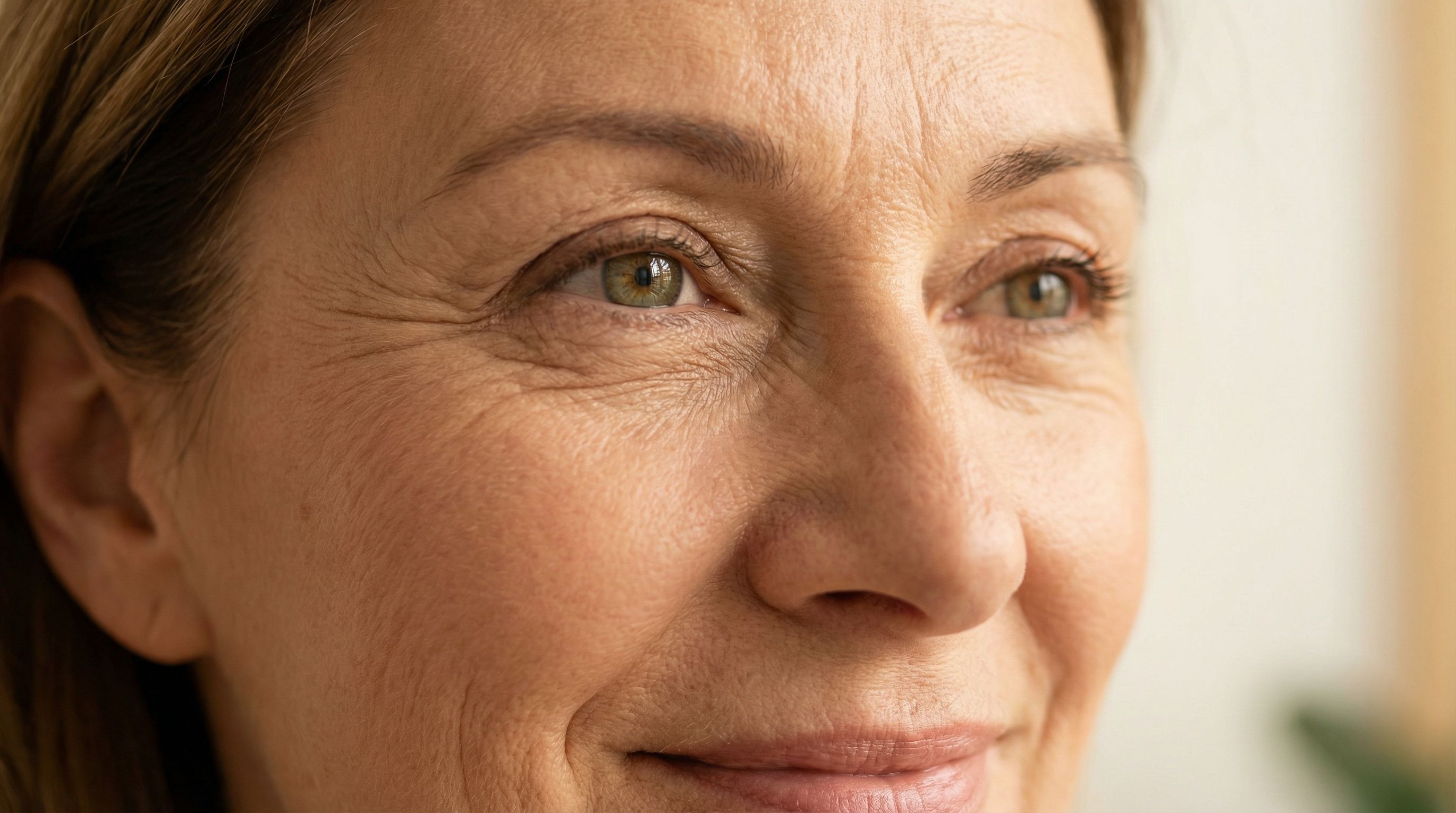
Before treatment, crow's feet appear as fan-shaped lines extending from the eye corners, most visible during smiling but often present at rest in more advanced cases. The number and depth of lines varies considerably between individuals.
After Botox, these lines soften significantly. Complete elimination isn't always the goal, as some crinkling during genuine smiles looks natural and emotionally appropriate. The aim is reducing the depth and visibility of lines while maintaining authentic expression.
Treatment considerations
Crow's feet treatment requires precision. The orbicularis oculi muscle extends around the entire eye. Treating too close to the lower lid can affect its function. Treating too far out may impact muscles not intended for relaxation. This is why provider skill matters so much for natural-looking results.
Before and after photos of crow's feet should show the patient both at rest and smiling. At rest, lines should appear softer. During smiling, some crinkling may remain (which looks natural) but the deep carved lines should be significantly reduced.
Dosing for crow's feet
Typical treatment uses 12-24 units total (both sides combined), though this varies based on line severity and patient goals. Some patients prefer subtle softening. Others want more dramatic reduction. Your provider should discuss your specific preferences during preparation.
Under eye area before and after
Botox under the eyes is an advanced technique that addresses specific concerns in this delicate area. It's not appropriate for everyone, and results require skilled injection technique.
What can and can't be treated
Botox can soften fine lines directly under the eye in select patients. It can improve the appearance of mild lower lid bulging in some cases by relaxing specific muscle fibers. It works well for bunny lines on the nose that extend toward the lower eye area.
Botox cannot address dark circles caused by pigmentation or blood vessels. It cannot remove fat pads causing under-eye bags. It cannot tighten severely loose skin. For these concerns, other treatments or surgery may be more appropriate.
Before and after realities
Quality before and after photos of under-eye treatment show subtle improvement in fine lines and slight changes in how the area moves during expression. Dramatic transformations in this zone rarely come from Botox alone.
Be skeptical of before and after photos showing major under-eye changes attributed solely to Botox. These likely involve other treatments like filler, skin treatments, or photo manipulation.
Lip area before and after
Several lip treatments use Botox with varying goals. The lip flip creates subtle enhancement by relaxing the muscle that curls the lip inward. Vertical lip lines (smoker's lines) can be softened. Gummy smile correction reduces excessive upper lip elevation.
Lip flip results
Before a lip flip, the upper lip may curl slightly inward during smiling, hiding the pink tissue. Some people have thin-appearing upper lips despite adequate tissue being present.
After treatment, the upper lip rolls gently outward, revealing more of the pink lip surface. The effect is subtle, not dramatic. Expectations of significant volume increase will lead to disappointment. This is about revealing what you have, not adding volume.
Before and after photos should show the same expression, ideally a natural smile. The upper lip should appear slightly more visible but still proportionate and natural.
Vertical lip line results
These fine lines above the upper lip form from repetitive pursing movements. Before treatment, they appear as small vertical creases radiating upward from the lip border. They're often most visible when puckering.
After Botox, these lines soften and may partially disappear. Complete elimination is challenging because you need some muscle function for eating and speaking. The goal is improvement, not perfection.
Gummy smile results
Before treatment, excessive gum tissue shows during smiling, sometimes making patients self-conscious. After Botox to the levator labii superioris muscle, the upper lip doesn't elevate as high, revealing less gum tissue.
Photos should compare equivalent smiles before and after. The difference in visible gum tissue should be apparent while the smile still looks genuine and natural.
Jawline and lower face before and after
Lower face Botox addresses several concerns from jaw slimming to jowl improvement to chin smoothing.
Masseter treatment for jaw slimming
Masseter Botox targets the large chewing muscles at the back of the jaw. Before treatment, patients seeking jaw slimming typically have square, wide, or prominent jawlines due to enlarged masseter muscles.
After treatment, the masseter muscles gradually shrink over weeks to months as they're used less. The jawline becomes narrower, more tapered, more V-shaped. This is one of the few Botox applications where full results take 4-8 weeks to develop rather than 2 weeks.
Before and after photos should compare the same angle and expression, ideally including front view and three-quarter view. The difference in jaw width should be measurable and visible. This treatment also helps with teeth grinding and TMJ symptoms.
Chin dimpling and pebbling
Botox for chin addresses the dimpled, "orange peel" texture that develops when the mentalis muscle is overactive. Before treatment, the chin may appear bumpy or dimpled, especially during certain expressions.
After treatment, the chin smooths out as the mentalis relaxes. The skin appears more even. Photos should show the chin at rest and potentially during expressions that previously triggered dimpling.
DAO treatment for mouth corners
The DAO (depressor anguli oris) muscle pulls mouth corners downward, contributing to a sad or stern resting expression. Before treatment, mouth corners may turn downward even when the patient isn't upset.
After Botox, the mouth corners no longer pull down as dramatically. The effect is subtle but can significantly impact resting facial expression. Combined with the mentalis treatment, this creates overall lower face improvement.
Jowl improvement
Botox for jowls has limitations. It can help if sagging results partly from muscle pull rather than pure skin laxity. Before and after photos should show realistic improvement rather than dramatic lifting.
The Nefertiti lift uses strategic Botox placement along the jawline and neck to create subtle lifting and definition. Results are real but modest compared to surgical options.
Neck treatment before and after
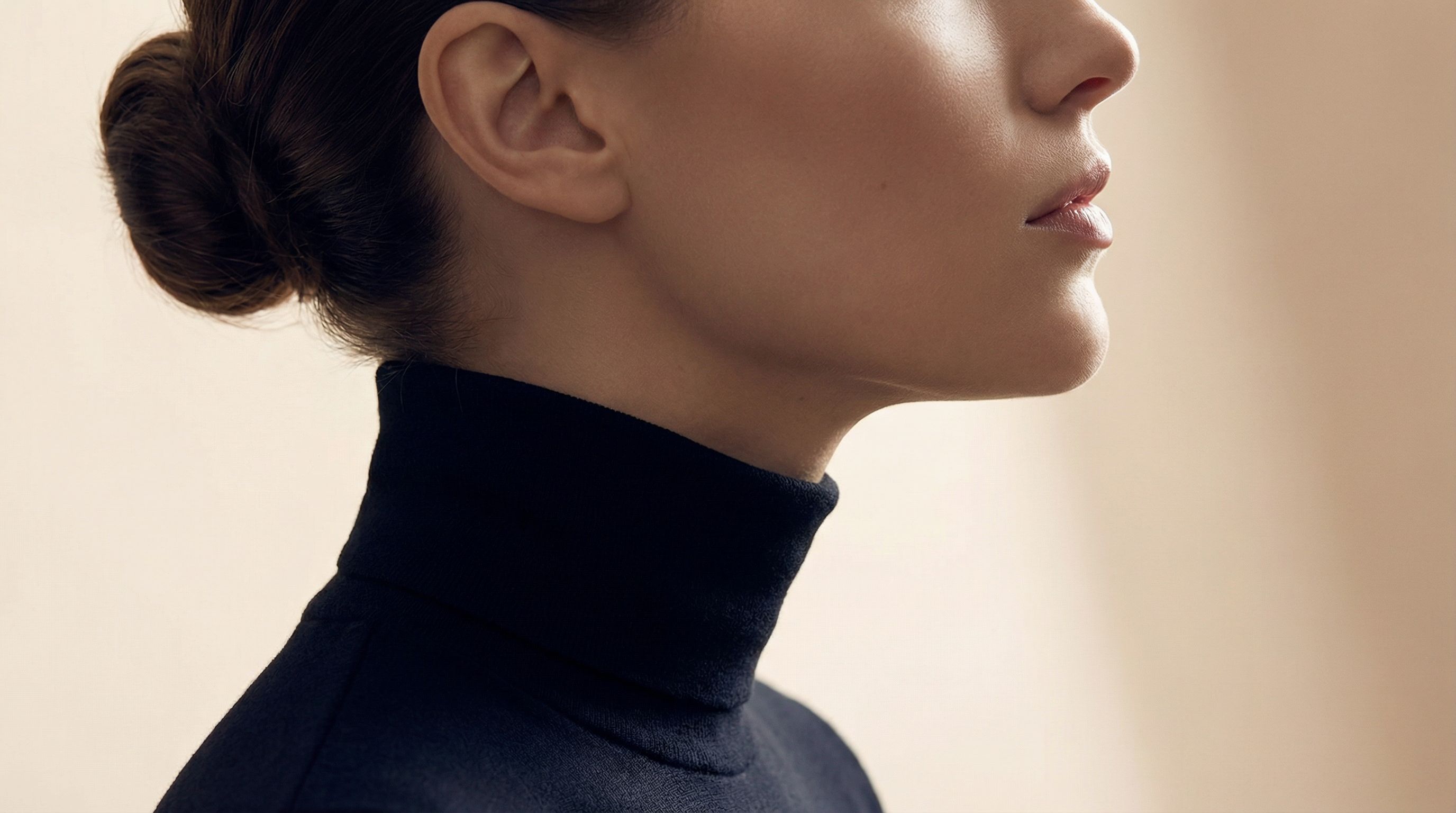
Neck Botox addresses platysmal bands and horizontal neck lines. The platysma muscle creates vertical cords that become more visible with age and muscle activity.
Platysmal bands
Before treatment, vertical bands may be visible when clenching the neck muscles or even at rest in pronounced cases. These bands create a stringy, aged appearance.
After Botox, the bands soften and become less prominent. The neck appears smoother and more youthful. Photos should show the neck in the same position and lighting, with the difference in band visibility apparent.
Horizontal neck lines
These lines form from neck positioning and skin folding over time. Botox can soften them modestly but doesn't eliminate deep creases. Before and after expectations should be conservative for this indication.
Trapezius treatment before and after
Trapezius Botox (sometimes called "Barbie Botox" or "trap tox") creates a slimmer neck and shoulder silhouette by relaxing the upper trapezius muscles.
Visual transformation
Before treatment, prominent trapezius muscles create a shorter-appearing neck and broader shoulder line. This is normal anatomy but some patients prefer a different aesthetic.
After treatment, the trapezius muscles soften and appear less bulky. The neck looks longer and more elegant. Shoulders appear more sloped. The transformation can be quite dramatic.
Before and after photos should show the same posture and similar clothing to accurately compare the shoulder and neck line. This treatment typically uses high unit counts (40-100 units per side) and is among the more expensive Botox applications.
Nose treatment before and after
Botox for nose addresses specific concerns including tip drooping and nostril flaring.
Tip elevation
Before treatment, the nasal tip may drop when smiling due to depressor septi nasi muscle activity. Some patients dislike how their nose looks during animated expressions.
After Botox, the tip maintains better position during smiling. The effect is subtle but can meaningfully impact appearance in photos and during conversation. Before and after images should compare equivalent smiles.
Bunny line treatment
Bunny lines are diagonal wrinkles on the sides of the nose that appear when scrunching. Before treatment, these lines may be prominent during certain expressions.
After Botox, bunny lines soften or disappear. Photos should show the expression that previously triggered them to demonstrate improvement.
Eye area enhancements before and after
Several specialized treatments target the eye area for specific effects.
Brow lift results
Botox brow lift creates subtle elevation by relaxing the muscles that pull brows down while the frontalis (which lifts brows) remains active. Before treatment, brows may sit lower than desired, creating a tired or heavy appearance.
After treatment, brows lift slightly, opening up the eye area. The effect is modest, typically 1-3mm of elevation, but can make a meaningful difference. Photos should compare equivalent relaxed expressions.
Hooded eye improvement
Botox for hooded eyes can help in select cases by lifting the brow slightly to reveal more lid space. Before and after photos should show whether this approach worked for the specific patient, but note that Botox alone cannot address significant lid skin excess.
Fox eye treatment
Fox eye Botox aims to create an elongated, lifted eye appearance through strategic muscle relaxation and sometimes threading. Results vary considerably based on existing anatomy. Before and after photos should show realistic expectations for this trendy treatment.
Face slimming before and after
Beyond masseter treatment, several areas contribute to overall facial slimming.
Full face contouring
Combining masseter treatment with other strategic injections can create overall facial refinement. Before photos might show a rounder, wider face. After photos, taken 6-8 weeks post-treatment to allow full masseter reduction, show a more contoured, V-shaped appearance.
Smile line treatment
Botox for smile lines around the mouth can soften the nasolabial region. Results here are modest compared to filler but can contribute to an overall fresher appearance.
Marionette line treatment addresses the lines running from mouth corners downward. Botox can help if muscle pull contributes to these lines, though filler often plays a larger role in treatment.
What influences your personal results
Not everyone responds to Botox identically. Understanding the factors that influence your results helps set appropriate expectations when viewing before and after photos.
Muscle strength and activity
Stronger, more active muscles may need higher doses for equivalent results. Someone who furrows their brow constantly all day might need more units for their 11 lines than someone with gentler expressions. Before and after photos can't tell you about the dose used or the patient's muscle activity patterns.
Skin quality and age
Younger patients with good skin elasticity often see lines disappear completely once muscles relax. Older patients or those with sun-damaged skin may see significant improvement without complete resolution. The underlying skin plays a role Botox can't fully address.
Treatment history
First-time Botox patients sometimes respond differently than experienced users. Some see dramatic results immediately. Others need a few treatments to optimize their response. Before and after photos typically show ideal results, not necessarily first-treatment results.
Line depth and type
Dynamic lines (visible only during movement) respond beautifully to Botox. Static lines (visible even at rest) improve but may not vanish completely. Very deep static lines may need additional treatments like filler to fully address.
Provider skill
Perhaps the biggest variable. Skilled injectors achieve natural-looking results that enhance rather than freeze. Less experienced providers may over-treat, under-treat, or create asymmetric results. Before and after photos reflect the provider's skill as much as the patient's response.
Taking your own before and after photos
Want to document your own transformation? Here's how to capture useful comparison images.
Consistency is everything
Use the same location, same lighting, same device, same distance every time. Natural daylight from a window works well. Avoid overhead lighting that casts shadows. Position yourself the same distance from the camera each time.
Multiple expressions
Capture your face at rest, during gentle expressions (slight smile, slight frown), and during exaggerated expressions (big smile, strong frown). This documents both static and dynamic improvements.
Multiple angles
Front view is essential. Three-quarter views from both sides capture how treatment affects you from angles others commonly see. These different perspectives tell a more complete story than front view alone.
Timeline documentation
Take photos before treatment, then at 3 days, 7 days, 14 days, and monthly thereafter until your next treatment. This creates your personal results timeline showing exactly how Botox works for you.

Storage and organization
Create a system for organizing your photos by date and treatment. Whether that's phone albums, computer folders, or a dedicated app, having organized photos makes comparison easy and helps you track your history over time.
Red flags in before and after photos
Not all photos tell the truth. Here's what should make you suspicious.
Lighting manipulation
Before photos in harsh, unflattering light. After photos in soft, diffused light. This alone can create apparent improvement that has nothing to do with treatment. Quality comparison photos maintain identical lighting.
Expression changes
Before photos showing maximum muscle contraction. After photos showing relaxed face. Of course the after looks better. Legitimate comparisons show equivalent expressions in both images.
Angle differences
Subtle angle changes can dramatically affect how facial features appear. Before photos from slightly below (emphasizes jowls, under-eye area). After photos from slightly above (minimizes these areas). Same person, very different appearance, no treatment involved.
Photo editing
Smoothing filters, blemish removal, skin retouching. These tools are easily available and unfortunately commonly used. Before and after photos should show skin texture, pores, and natural imperfections in both images.
Time gap manipulation
Before photos from years ago when the patient was older-looking. After photos more recent. Yes, they look better, but is it Botox or weight loss, lifestyle changes, other treatments, or just better photography?
Stock photos
Reverse image search suspicious photos. Some providers use stock images or photos from other sources rather than their own patient results. Your provider's before and after gallery should show their actual patients.
What realistic improvement looks like
After viewing hundreds of before and after comparisons, certain truths emerge about realistic expectations.
Softening rather than erasing
Most results show significant softening of lines rather than complete elimination. Especially for deeper lines and older patients, improvement is dramatic without being total. That's normal and appropriate.
Natural movement preservation
Good results maintain some ability to express emotion. Complete freezing of expression isn't the goal. Before and after photos should show a person who still looks like themselves, just refreshed.
Subtle but meaningful
The best Botox results often aren't immediately obvious. Friends might say you look rested or refreshed without pinpointing why. That subtlety is a feature, not a bug.
Individual variation
Your results won't match someone else's exactly. Genetics, anatomy, lifestyle, and a dozen other factors create your unique response. Before and after photos from other patients offer guidance but not guarantees.
Men's before and after results
Botox for men has grown significantly in popularity. Male patients often have different concerns and expectations than women, and their before and after photos reflect this.
Masculine considerations
Men typically have stronger facial muscles, particularly in the forehead and glabellar region. This often means higher doses are needed to achieve similar relaxation. Before and after photos of male patients should show softening of lines without feminization of features.
The goal for most men is looking refreshed and less tired rather than wrinkle-free. Complete smoothness can appear unnatural on male faces where some lines are expected. Subtle improvement that preserves masculine character defines successful male treatment.
Common male treatment areas
Forehead lines and 11 lines remain the most popular areas for men. Crow's feet treatment is also common. Men increasingly seek masseter treatment for jaw slimming and TMJ relief, though the aesthetic goal differs from women seeking a V-shaped face.
Before and after photos for male patients should represent realistic male outcomes, not feminized results. If you're a man researching Botox, seek out male-specific before and after images from your potential provider.

Age-specific expectations
Results vary by age group, and before and after photos should be evaluated with age context in mind.
Results in your 30s
Botox in your 30s often serves a preventive purpose. Before photos might show early dynamic lines, mild at rest but visible during expression. After photos show these lines softened or eliminated, with the goal of preventing deeper line formation over time.
Younger patients typically see complete resolution of dynamic lines because the skin hasn't been etched with permanent creases yet. This is preventative Botox at its most effective. Before and after photos in this age group often look dramatic because skin quality supports complete smoothing.
Results in your 40s
Botox in your 40s addresses more established lines. Before photos show deeper creases, often visible at rest. After photos show significant improvement but perhaps not complete erasure, especially for lines that have become static.
This is when before and after photos become particularly important for setting expectations. Forty-something results are excellent but different from thirty-something results. Skin takes longer to smooth once the muscle relaxes.
Results in your 50s and beyond
Botox in your 50s and later continues to produce meaningful improvement, though the transformations look different than in younger patients. Before photos show mature skin with deeper lines and perhaps some laxity. After photos show softening and freshening, though complete line elimination becomes less achievable.
Before and after photos in this age group should show realistic mature results, not twenty years of rejuvenation. Botox improves the lines you have. It doesn't turn back the clock entirely. Setting appropriate expectations prevents disappointment.
Comparing across ages
When viewing before and after photos, note the patient's apparent age carefully. Results in a 35-year-old don't predict results in a 55-year-old. Each age group has typical outcomes worth understanding. Your provider should show you results from patients in your demographic.
Medical applications before and after
Beyond cosmetic uses, Botox treats several medical conditions with their own before and after considerations.
Migraine treatment
Botox for migraines involves injections across the forehead, temples, back of head, and neck. "Before and after" here refers more to migraine frequency and severity than visual changes, though treated areas may show the same line-softening effects as cosmetic treatment.
Hyperhidrosis treatment
Botox for excessive sweating doesn't produce visual before and after photos. Results are measured in sweat reduction, typically dramatic improvement for 6-12 months per treatment. Patient satisfaction in this application is exceptionally high.
TMJ and bruxism
Botox for TMJ and bruxism produces both functional improvement (less pain, less grinding) and visual changes (slimmer jaw as masseters shrink). Before and after photos can document the jaw slimming while patient reports document the symptomatic improvement.
Working with your provider on expectations
Before and after photos work best as conversation starters with your provider, not as guarantees of your personal results.
Bring reference images
Show your provider before and after photos that represent your goals. This helps them understand your aesthetic preferences and explain what's achievable for your specific anatomy.
Ask about their results
Request to see before and after photos of the provider's actual patients, ideally people with similar starting points to yours. This gives more realistic expectations than celebrity or marketing images.
Discuss realistic outcomes
A skilled provider will explain what Botox can and can't accomplish for your specific concerns. They should set appropriate expectations rather than promising results they can't deliver.
Plan for documentation
Ask if your provider takes before and after photos as standard practice. Many do. This creates a record of your transformation and helps optimize future treatments.
Building your treatment plan
Understanding before and after results helps you plan a treatment approach that achieves your goals progressively.
Start conservative
Many providers recommend starting with lower doses and adjusting upward as needed. You can always add more at a touch-up. You can't remove Botox once injected. Conservative starts often produce the most natural-looking results.
Target priorities first
If you have multiple concerns, address your top priority first. See how you respond. Then expand to additional areas. This prevents overwhelming change and lets you adjust gradually.
Maintain consistency
Regular treatments at appropriate intervals help maintain results and may reduce needed doses over time. The frequency calculator can help estimate your ideal treatment schedule.
Track your progress
Your personal before and after photos become valuable data over time. They show exactly how you respond, how long results last, and how your needs may change.
Frequently asked questions
How long until I see results in before and after photos?
Initial changes appear around days 3-5. Optimal results for photography occur at day 14 when full effects have developed. Taking photos too early will show incomplete results.
Why do my results look different from photos I've seen online?
Individual variation is enormous. Muscle strength, skin quality, age, treatment history, and provider skill all influence outcomes. Online photos represent one person's results, not a guarantee for everyone.
Can I show my provider before and after photos of what I want?
Absolutely. Reference photos help communicate your aesthetic goals. Just understand that your results depend on your unique anatomy, not someone else's.
How do I know if before and after photos are real?
Look for consistent lighting, angles, and expressions. Check for visible skin texture in both images. Ask providers about their photo policies and whether images show actual patients.
Should I take my own before and after photos?
Yes. Documenting your own transformation provides accurate information about your personal response and helps optimize future treatments.
Why do some before and after photos show dramatic results while others show subtle changes?
Starting point matters enormously. Someone with deep lines and strong muscles may show dramatic improvement. Someone with mild concerns will show subtler changes. Both can represent excellent treatment.
How long do results last before returning to "before" appearance?
Most patients see results lasting 3-4 months, though this varies individually. Results fade gradually rather than disappearing suddenly.
Can Botox completely eliminate all my lines?
Dynamic lines (visible only during movement) often disappear completely. Static lines (visible at rest) improve significantly but may not vanish entirely, especially if deeply established.
Related guides
- Botox Results Timeline: Day-by-day breakdown of how results develop
- Day 7 vs Day 14: Comparing early versus peak results
- Botox Units Per Area: Understanding dosing by treatment zone
- Natural Looking Botox: How to achieve subtle, refreshed results
- Botox for Beginners: Complete guide for first-time patients
Sources
- American Society for Dermatologic Surgery: Patient education resources on injectable treatments
- American Academy of Facial Plastic and Reconstructive Surgery: Guidelines for aesthetic photography documentation
- FDA: Approved uses and safety information for botulinum toxin products
In case I don't see you, good afternoon, good evening, and good night. May your photos stay honest, your results stay natural, and your confidence stay high. Explore UseBotox for comprehensive guides and calculators to plan your treatment journey.