Botox Party: The Complete Guide to Group Injection Events
Everything about Botox parties: safety concerns, what to expect, questions to ask, and how to know if attending one is right for you.

The invitation arrives. Champagne. Appetizers. And Botox injections in someone's living room. Botox parties have exploded in popularity, promising the same wrinkle-smoothing results you'd get at a clinic but in a more relaxed, social setting. Sounds appealing. But is it safe? Should you actually go? The answer isn't simple. These events exist on a spectrum from completely legitimate medical procedures to genuinely dangerous situations that put your health at risk. This guide covers everything you need to know about Botox parties, from understanding what actually happens at these events to knowing exactly which questions to ask before letting anyone near your face with a needle. UseBotox created this resource because the difference between a safe Botox party and a risky one comes down to details most people don't think to check.
What exactly is a Botox party
A Botox party combines cosmetic treatments with a social gathering. Instead of visiting a clinic alone, you join a group of friends or acquaintances at someone's home, a rented venue, or sometimes a medspa that hosts evening events. A provider arrives with supplies and administers Botox injections to multiple guests throughout the evening.
The concept originated in the early 2000s as Botox became mainstream. Someone realized that bringing the injector to the patients, rather than the other way around, could create a more comfortable experience for people nervous about medical settings. Wine helps. So does having friends around.
The typical setup
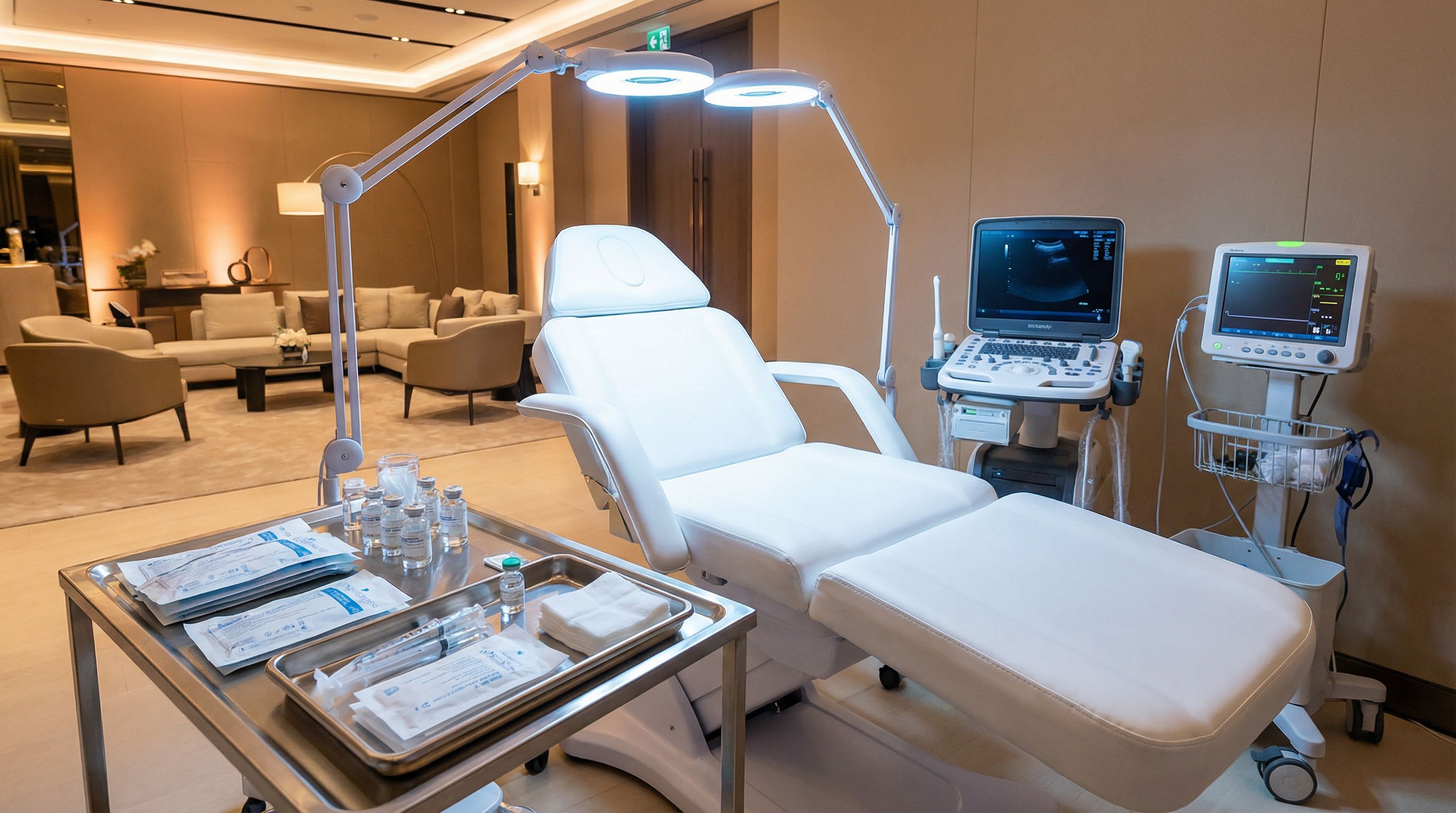
Most Botox parties follow a similar format. Guests arrive and socialize while waiting their turn. A provider sets up a treatment area, usually a quiet room or corner with proper lighting. One by one, guests receive consultations and injections. The whole process takes a few hours, with treatment time per person ranging from 10 to 30 minutes depending on the areas addressed.
Some parties focus exclusively on forehead lines and frown lines since these are quick treatments. Others offer a full menu including crow's feet, lip flips, and even masseter treatment for jaw slimming. The more comprehensive the offerings, the longer the event runs.
Who hosts these events
Three main groups typically organize Botox parties. First, licensed medical professionals who see it as a way to grow their practice and reach new clients. These are usually the safest options. Second, medspa owners who host evening events to fill their schedule and create a fun atmosphere. Third, enthusiastic hosts with no medical background who hire a provider and invite friends, essentially acting as a middleman.
That third category is where things get complicated. When someone without medical knowledge organizes the event, they may not know what qualifications to verify or what safety protocols to require.
Why people love Botox parties
The appeal is obvious. These events turn a clinical procedure into a social experience. But the reasons run deeper than just wanting company during your injections.

The comfort factor
Medical settings make people nervous. The sterile environment, the waiting room full of strangers, the clinical atmosphere. All of it can amplify anxiety. A Botox party strips away that intimidation. You're surrounded by friends in a familiar setting. The vibe is relaxed. You can ask questions without feeling rushed. For first-time patients, this environment can make the experience feel less scary.
Social validation
There's something reassuring about getting treatments alongside friends. When you see someone you trust go through the process and emerge looking fine, your own nervousness decreases. You can compare notes. Ask questions together. Discuss aftercare over appetizers. The group dynamic provides built-in support that you wouldn't get sitting alone in a waiting room.
Perceived cost savings
Many Botox parties advertise discounted rates. Providers often offer reduced per-unit pricing because they're treating multiple patients in one location during one time block. Less overhead. No front desk staff. No expensive clinic rent for those hours. Some of these savings get passed to patients. Whether the discounts are significant enough to matter varies wildly. We'll break down actual costs later.
Convenience
No scheduling appointments weeks out. No taking time off work. No driving across town to a clinic. The party comes to you, or at least to a location convenient for your social circle. For busy people who struggle to prioritize self-care, this convenience factor can be the difference between actually getting treatment and perpetually postponing it.
Making it an event
Let's be honest. Getting Botox can feel a little vain. A little indulgent. Wrapping it in a social event normalizes the experience. You're not sneaking off to get "work done." You're attending a party that happens to include cosmetic treatments. The framing matters psychologically, even if the end result is identical.
The serious risks you need to understand
Here's where things get real. Botox parties can be perfectly safe. They can also be genuinely dangerous. The difference depends entirely on execution, and many party attendees don't know what to look for.
Compromised sterility
Proper injection technique requires a sterile environment. Clinics maintain this automatically. Someone's living room? Not so much. Pets wandering through. Guests touching surfaces. Food and drinks everywhere. Each of these introduces contamination risks. Infections from improperly administered Botox can cause serious complications including bruising, swelling, and in rare cases, dangerous bacterial infections.
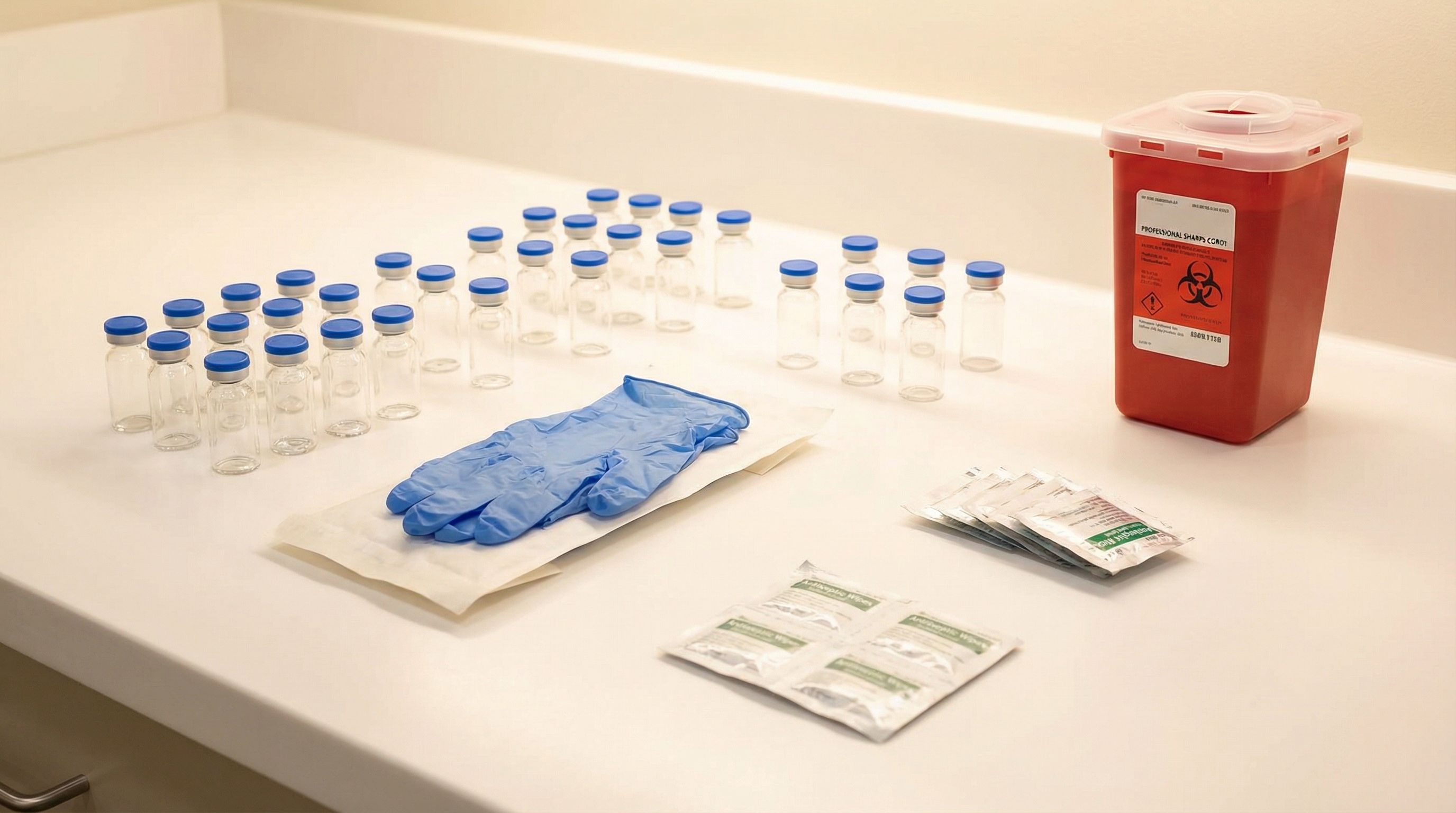
A legitimate provider at a Botox party will set up a dedicated treatment area that mimics clinical conditions. They'll use proper hand hygiene, fresh gloves for each patient, and sterile technique throughout. If the setup looks casual or rushed, that's a major red flag.
Inadequate lighting
Precise injection placement matters enormously with Botox. The injection face map exists for a reason. Hitting the wrong muscle can cause drooping eyelids, asymmetric expressions, and results that look strange rather than refreshed. Proper placement requires excellent lighting that reveals facial anatomy clearly.
Dim mood lighting might set the party vibe, but it's terrible for safe injections. Any provider who proceeds without adequate illumination either doesn't know what they're doing or doesn't care enough about your results to insist on proper conditions.
Alcohol and injections don't mix
Here's an uncomfortable truth. The champagne flowing at many Botox parties directly contradicts best practices for treatment. Alcohol thins your blood, increasing bruising risk significantly. It also impairs your judgment, making you more likely to agree to treatments you haven't properly considered or request higher doses than appropriate.
Responsible providers won't inject patients who've been drinking. But at a party atmosphere, that boundary gets fuzzy. Some providers look the other way. Some attendees hide how much they've consumed. The result can be excessive bruising, regretted decisions, and complications that wouldn't occur in a clinical setting where you'd arrive sober.
Rushed consultations
Good Botox treatment starts with thorough consultation. The provider needs to understand your goals, assess your facial anatomy, review your medical history, and discuss realistic expectations. Understanding your dosing needs requires this individualized attention. At a busy party with multiple guests waiting, consultations often get compressed. Important questions go unasked. Nuances get missed.
A provider racing through consultations to get to the next guest isn't prioritizing your outcome. They're prioritizing efficiency. Sometimes those goals align. Often they don't.
Unknown product authenticity
Counterfeit Botox exists. It's a real problem. Legitimate providers source their products through verified pharmaceutical channels with proper cold chain storage. The Botox arrives in sealed vials with lot numbers that can be traced. Reconstitution follows specific protocols.
At a Botox party, how do you know what's actually in that syringe? You're trusting the provider entirely. Some unscrupulous operators use diluted product, expired product, or outright counterfeit substances to maximize their margins. The results range from ineffective treatment to dangerous reactions.
No emergency protocols
Medical procedures occasionally have complications. Allergic reactions happen. Rare but serious side effects occur. In a clinic, staff are trained in emergency response. Equipment is available. Help is minutes away. In someone's living room? You're hoping nothing goes wrong because the response capabilities are limited.
Legitimate mobile providers carry emergency supplies and maintain protocols for unexpected reactions. But not all do. And even with preparation, responding to a medical emergency in a residential setting is harder than in a facility designed for healthcare.
How to evaluate whether a Botox party is safe
Not all Botox parties are created equal. Some maintain excellent medical standards. Others cut corners dangerously. Here's how to tell the difference before you let anyone inject your face.
Verify provider credentials
This is non-negotiable. The person holding the needle should be either a physician, nurse practitioner, physician assistant, or registered nurse working under physician supervision. In some states, other licensed professionals may legally administer Botox, but the requirements vary significantly by location.
Ask directly. What are your credentials? Where are you licensed? Who is your supervising physician if applicable? A legitimate provider will answer these questions readily and may even provide documentation. Someone who gets evasive or offended by the questions is telling you everything you need to know.
Ask about the product source
Where does the Botox come from? Can they show you the sealed vials with lot numbers? How is it stored and transported? Legitimate product comes from Allergan (now AbbVie) through licensed pharmaceutical distributors. The provider should be able to explain their supply chain clearly.
If they're using alternative neurotoxins like Dysport, Xeomin, Jeuveau, or Daxxify, that's fine. But they should be transparent about exactly which product they're using and why. Vagueness here is concerning.
Inspect the treatment setup
Before your turn, look at the treatment area. Is there dedicated space with good lighting? Is the provider using fresh gloves and sterile technique? Are needles being disposed of properly in sharps containers? Is there hand sanitizer and proper cleaning of surfaces between patients?
If the setup looks improvised, casual, or unhygienic, trust your instincts. A provider who cuts corners on visible safety measures is probably cutting corners you can't see too.
Review their consultation process
Watch how the provider interacts with guests before you. Are they asking about medical history? Discussing goals and expectations? Explaining what they're injecting and why? Or are they just diving in with minimal conversation?
Good providers will ask about allergies, medications, previous Botox experiences, and specific concerns. They'll explain what to expect during and after treatment. They'll discuss potential side effects and what to do if problems arise. Rushed or absent consultations suggest a provider prioritizing volume over patient care.
Check for proper consent
Medical procedures require informed consent. Even at a party, you should receive and sign a consent form that outlines the treatment, risks, expected outcomes, and what to do if complications occur. This isn't just legal protection for the provider. It's your documentation of what was done and acknowledgment that risks were explained.
No consent form? Walk away. A provider skipping this basic medical-legal requirement is either dangerously casual or operating outside proper medical standards.
Understand their emergency preparedness
Ask what happens if something goes wrong. Does the provider carry emergency supplies? What's the protocol for allergic reactions? How would they handle an adverse event in this setting? These questions might feel awkward, but they reveal whether the provider has thought through worst-case scenarios.
A prepared provider will have answers. They'll explain what supplies they carry, what their response protocol is, and how they'd handle emergency transport if needed. A provider who seems caught off guard by these questions hasn't adequately prepared for the realities of mobile practice.
Questions to ask before attending
Print this list. Screenshot it. Whatever you need to do to have these questions ready when you're evaluating a Botox party invitation.
About the provider
- What are your medical credentials and license number?
- How long have you been administering Botox?
- Do you carry malpractice insurance?
- Who is your supervising physician if you're a nurse or PA?
- Can I see your license verification?
About the product
- What brand of neurotoxin do you use?
- Where do you source your products?
- Can I see the sealed vial and lot number for the product you'll use on me?
- How is the product stored and transported?
- When was this batch reconstituted?
About the procedure
- How do you determine appropriate dosing for each patient?
- What's your consultation process?
- How do you ensure sterility in this setting?
- What aftercare instructions will you provide?
- What's your policy on touch-ups if results aren't satisfactory?
About safety
- What emergency supplies do you carry?
- What's your protocol if a patient has an adverse reaction?
- How can I contact you after the event if I have concerns?
- Will you provide written documentation of what was injected and where?
Any provider worth trusting will answer these questions thoroughly and without defensiveness. Hesitation, vagueness, or irritation at being asked suggests you should look elsewhere.
What to expect at a well-run Botox party
Now that we've covered the risks, let's talk about what a legitimate, safe Botox party actually looks like. Because they do exist, and when done right, they can be a perfectly reasonable way to receive treatment.
Before the event
You should receive information in advance about the provider's credentials, what treatments will be offered, approximate pricing, and what to do to prepare. Good hosts will remind guests to avoid alcohol before their treatment and to arrive with a clean face. Some will send medical history forms to complete ahead of time, making the on-site process more efficient.
The setup
A dedicated treatment area should be clearly separated from the social space. Lighting should be bright and clinical quality, regardless of the ambient lighting elsewhere. You should see the provider washing hands, wearing gloves, and using sterile technique. Sharps containers for needle disposal should be visible. The overall impression should be "medical procedure happening here" even if the surrounding environment is casual.
Your consultation
Even at a party, you deserve individual attention. The provider should review your medical history, discuss your goals, examine your facial anatomy, and recommend appropriate treatment. They should explain how many units they plan to use and why. They should discuss realistic expectations for results and duration.
This consultation might take 10-15 minutes. It shouldn't feel rushed. If you have questions, there should be time to answer them. If you want to think about it before proceeding, that should be respected.

The treatment
You'll likely sit in a chair with your head supported. The provider will clean your skin, mark injection points if needed, and administer the injections. Treatment for common areas like forehead and 11 lines takes just a few minutes. You might feel brief pinching sensations, but it shouldn't be significantly painful. Does Botox hurt? Most people describe it as very tolerable.
Aftercare and documentation
Before you leave the treatment chair, you should receive verbal and ideally written aftercare instructions. You should know what activities to avoid, what's normal in the days following treatment, and when to expect results. You should receive documentation of exactly what was injected, how many units, and in which areas. You should have contact information for the provider if questions arise.
Following up
Results from Botox develop over 7 to 14 days. A good provider will offer some mechanism for follow-up, whether that's a scheduled check-in, easy access for questions, or a policy for touch-ups if needed. You shouldn't feel abandoned after the party ends.
Alternatives to Botox parties
Not sold on the party concept? There are other ways to get treatment that might suit you better.
Traditional clinic visits
The standard approach. Schedule an appointment at a dermatologist's office or medspa. Receive treatment in a purpose-built medical facility with all appropriate equipment and protocols. Pay standard rates. This is the most conservative choice and eliminates many of the risks associated with mobile treatment.
In-home private appointments
Some providers offer house calls for individual patients rather than groups. You get the convenience of treatment at home without the party atmosphere. This can work well for patients who value privacy or have scheduling constraints. Costs may be higher than group events since the provider's time isn't distributed across multiple patients.
Bring a friend appointments
Many clinics are happy to schedule friends together. You get the social support without the party setting. The clinic environment provides proper safety infrastructure. Some practices offer small discounts for group bookings. You get the best of both worlds, companionship and clinical standards.
Medspa events
Rather than at-home parties, some medspas host evening events at their facilities. You get the social atmosphere and potential discounts while benefiting from the clinic's infrastructure, equipment, and safety protocols. This can be an excellent middle ground.
If you decide to host a Botox party
Maybe you're interested in organizing an event yourself. Here's what you need to know about doing it responsibly.
Find a legitimate provider
This is everything. Screen providers carefully using the criteria described above. Verify credentials independently, don't just take their word. Check reviews. Ask for references. Ensure they carry appropriate insurance. A provider who seems too eager to participate without asking their own screening questions about your setup may not be maintaining proper standards.
Understand your liability
As a host, you may bear some responsibility if something goes wrong at your event. Discuss liability with the provider. Understand what their insurance covers. Consider whether your homeowner's insurance has any relevant provisions. You're not practicing medicine, but you are facilitating medical procedures on your property.
Create appropriate conditions
Work with your provider to establish proper treatment conditions. This means dedicated space with excellent lighting. Clear separation from food, drinks, and social activities. Climate control appropriate for medical supplies. Access to bathroom facilities. Enough privacy that patients feel comfortable during treatment.
Set the right expectations with guests
Be clear with invitees about what the event is and isn't. Communicate the provider's credentials. Emphasize that this is a medical procedure, not just a fun activity. Discourage excessive drinking before treatments. Make clear that participation is entirely optional and no one should feel pressured.
Plan for problems
Know what you'll do if something goes wrong. Have emergency contact numbers ready. Know the nearest hospital location. Ensure someone at the event is sober and can drive if needed. These precautions are probably unnecessary. But having them in place is responsible hosting.
Cost breakdown: party vs. clinic pricing
One of the main draws of Botox parties is cost savings. Let's examine whether the numbers actually work out.
Typical clinic pricing
Standard Botox pricing ranges from $10 to $25 per unit depending on location, provider, and practice type. Major metropolitan areas trend higher. Rural areas and competitive markets trend lower. Most patients receive 20 to 60 units per treatment session. Using the cost calculator, you can estimate typical treatment costs for your needs.
For perspective:
- Forehead lines: 10-30 units ($100-$750)
- Frown lines: 15-25 units ($150-$625)
- Crow's feet: 12-24 units per side ($120-$600)
- Full face treatment: 40-60+ units ($400-$1500+)
Typical party pricing
Botox party pricing varies enormously. Some events offer modest 10-15% discounts off standard rates. Others advertise more aggressive pricing, sometimes as low as $8-10 per unit. The deeper the discount, the more questions you should ask about how it's possible.
Legitimate discounts come from reduced overhead. The provider isn't paying rent for that timeslot. No front desk staff needed. Efficient use of time treating multiple patients. These efficiencies can support modest price reductions while maintaining quality.
Extreme discounts should raise suspicions. How is someone offering $7 per unit when the wholesale cost of legitimate Botox is nearly that much? Either they're operating on razor-thin margins, using diluted product, or sourcing from questionable channels.
Hidden costs to consider
Party pricing sometimes excludes elements included in clinic fees. Will you receive proper follow-up? Is there a policy for touch-ups if results are suboptimal? Is emergency support available? These services have value that may not be reflected in per-unit pricing comparisons.
Also consider the potential costs of problems. If treatment goes wrong at a clinic, they have systems to address it. If treatment goes wrong at a party, your recourse may be more limited. The savings aren't worth it if you end up needing correction elsewhere.
The honest assessment
Legitimate Botox parties can offer modest savings, typically 10-20% below standard clinic rates. More aggressive discounts should prompt careful scrutiny. The potential savings are real but not dramatic. If cost is your primary concern, consider comparing prices across multiple clinics, looking for promotions and loyalty programs, or asking about off-peak pricing rather than compromising on safety standards.
Who should avoid Botox parties
Some people are better served by traditional clinical settings regardless of how well-run a party might be.
First-time patients
If you've never had Botox before, a clinical setting offers advantages. More thorough consultation. Better ability to ask questions. Established relationship with a provider you might see again. Optimal conditions for a positive first experience. Once you understand how you respond to treatment, social settings become more appropriate.
Patients with complex needs
Some treatment goals require more nuance than a party setting easily provides. Masseter treatment for jaw slimming involves larger doses and more complex anatomy. Brow lifts require precise placement to avoid unwanted effects. Gummy smile correction needs careful assessment. These treatments benefit from unhurried clinical attention.
Anyone with relevant medical history
Certain medical conditions and medications affect Botox safety. Neuromuscular disorders. Blood thinners. Previous adverse reactions. These situations require thorough screening and potentially modified protocols. A party setting may not accommodate this level of individualized care adequately.
People who've been drinking
If you arrive at a Botox party having consumed alcohol, you should not receive treatment that evening. Period. Alcohol affects bleeding and judgment. Responsible providers will decline to treat you. If you know you'll want to participate in the social drinking, plan to skip the injections or arrange to be treated before the party portion begins.
Anyone feeling pressured
Social settings can create pressure to participate. If friends are getting Botox, you might feel left out saying no. But cosmetic procedures should never be impulsive decisions made because everyone else is doing it. If you feel peer pressure rather than genuine desire for treatment, the party setting isn't right for you on that occasion.
Making Botox parties safer: industry improvements
The aesthetic medicine industry has recognized both the popularity and risks of Botox parties. Several developments aim to make these events safer.
Provider education
Medical aesthetics training programs increasingly address mobile and social treatment settings. Providers learn specific protocols for maintaining standards outside clinical environments. This education helps separate professionals who adapt their practice responsibly from those who just see an opportunity.
Regulatory attention
Some states have implemented or considered regulations specifically addressing mobile aesthetic services and injection parties. Requirements vary, but may include specific licensing, safety protocols, documentation standards, and consumer protections. Check your state's medical board for current regulations.
Industry self-regulation
Professional organizations have developed guidelines for safe practice in non-traditional settings. These voluntary standards help responsible providers distinguish themselves. When evaluating a potential party provider, ask whether they follow any established professional guidelines for mobile practice.
Consumer awareness
Increasing media coverage of both positive and negative Botox party experiences has educated the public about what to expect and what to avoid. Informed consumers make better decisions and exert pressure on providers to maintain standards. Resources like this guide contribute to that awareness.
The psychological aspect of Botox parties
Beyond the practical considerations, Botox parties tap into interesting psychological dynamics worth understanding.

Normalization effect
Seeing friends receive treatment normalizes the decision. If people you know and respect are getting Botox openly and happily, your own hesitation may decrease. This can be positive, reducing unnecessary stigma around aesthetic treatments, or negative, pressuring people into procedures they're ambivalent about.
Social bonding
Shared experiences create connection. Going through something together, even something as minor as getting injections, bonds people. The vulnerability of the experience, the mutual support, the shared anticipation of results. These create memorable social moments that pure clinical visits don't offer.
Emotional safety
For many people, the clinical environment amplifies anxiety rather than providing reassurance. Medical settings remind them of illness, vulnerability, and bad experiences. A social setting, surrounded by friends and familiar environments, provides emotional safety that helps them access treatments they want but have been too anxious to pursue alone.
The flip side
Some people find Botox parties triggering rather than supportive. The social pressure feels uncomfortable. The public nature of the procedure violates their privacy preferences. The party atmosphere seems inappropriate for a medical decision. There's no right answer here. Know yourself and choose the setting that works for your psychology.
Long-term relationship considerations
Botox isn't a one-time thing. Results last 3-4 months on average, meaning you'll need regular treatments to maintain effects. This has implications for how you access care.
Continuity of care
Seeing the same provider consistently has advantages. They learn your anatomy, preferences, and responses. They can track changes over time. They develop nuanced understanding of what works for you. Making Botox last longer often involves this kind of individualized optimization.
Botox parties often feature rotating providers or one-off events. Building a long-term relationship becomes difficult. You might receive inconsistent treatment as different providers make different decisions about your face. For people in this for the long haul, establishing a primary provider relationship, whether that's someone you met at a party or not, matters.
What if things go wrong
Complications from Botox are usually temporary and self-resolving. But when they occur, you want accessible support. Botox gone wrong situations need assessment and sometimes intervention. A provider you can easily reach, who knows what they did, and who takes responsibility for outcomes provides security that random party appearances don't.
Before receiving treatment at any party, understand how you'll access the provider afterward. Can you contact them directly? Is there a clinic you can visit? What's the policy for addressing problems? These details matter more than they seem in the moment.
Frequently asked questions
Are Botox parties legal?
In most jurisdictions, yes, provided the injector is appropriately licensed and follows applicable medical practice regulations. However, specific rules vary by state. Some areas have restrictions on where certain procedures can be performed or requirements for mobile medical services. The legality depends on who's doing the injecting and how the event is structured.
How much can I really save at a Botox party?
Realistic savings range from 10-20% below standard clinic rates. Deeper discounts should prompt questions about how that's possible. Some parties offer comparable pricing to clinics but emphasize convenience and social experience rather than cost savings.
Should I drink alcohol at a Botox party?
Not before or during your treatment. Alcohol increases bruising risk and impairs judgment. If you want to enjoy the social aspects including drinks, do so after your injections are complete. Better yet, save the celebration for results day rather than treatment day.
Can I get other treatments besides Botox at these parties?
Many events offer additional injectables like dermal fillers or other neurotoxins. Some include skin treatments. The range depends on what the provider offers and is licensed to perform. More complex treatments may be less appropriate for party settings.
What happens if I have a bad reaction at a Botox party?
Immediate allergic reactions are rare but possible. A prepared provider will have emergency protocols and supplies. More common issues like excessive bruising or suboptimal results would be addressed in the days following treatment by contacting the provider through whatever follow-up channel they've established.
How do I know if the Botox is real?
Ask to see the sealed vial before treatment. Check for intact seals, proper labeling, and lot numbers. Legitimate Botox comes in specific packaging from Allergan/AbbVie. If the provider can't or won't show you the product source, that's a significant red flag.
Can anyone host a Botox party?
Anyone can organize a gathering, but only licensed medical professionals can legally administer Botox. A host without medical credentials is essentially hiring a provider and inviting guests. The host's responsibility is ensuring they've engaged a legitimate, qualified provider.
What should I wear to a Botox party?
Comfortable clothing that allows you to relax. Avoid high necklines that might interfere with treatment areas. Skip elaborate makeup since your face will need to be cleaned before injections. Bring whatever you need to refresh your appearance afterward if you're staying for the social portion.
Related guides
- Botox for Beginners: Complete introduction if you're new to neuromodulators
- Botox Preparation Guide: How to prepare for optimal treatment results
- Botox Aftercare: What to do and avoid after your injections
- Who Can Give Botox: Understanding provider credentials and qualifications
- Botox Cost Calculator: Estimate pricing for your treatment needs
Sources
- American Society of Plastic Surgeons: Safety guidelines for injectable treatments
- American Academy of Dermatology: Professional standards for cosmetic procedures
- FDA: Botulinum toxin product information and safety communications
In case I don't see you, good afternoon, good evening, and good night. May your parties stay safe, your providers stay qualified, and your results stay beautifully natural. Explore UseBotox for comprehensive guides and calculators to plan your treatment with confidence.