Barbie Botox: The Shoulder-Slimming Trend Taking Over
Everything about Barbie Botox for trapezius muscles. Learn about units needed, costs, results, and whether this trending treatment is right for you.

She stands at the mirror, shoulders rising toward her ears. Years of stress. Hours at a desk. Workouts that built muscle she never asked for. Her neck looks shorter than it should. Her silhouette feels bulky in sleeveless tops. Sound familiar? Barbie Botox has become one of the most searched aesthetic treatments because it solves a problem millions of people share but few discuss openly: a thick, muscular trapezius that changes the entire appearance of the upper body.
This isn't about looking like a plastic doll. The name is playful, but the results are surprisingly natural. Trapezius Botox relaxes overactive shoulder muscles to create a longer-looking neck, more elegant shoulder slope, and relief from tension that many people carry for years without realizing it has a solution. UseBotox breaks down everything you need to know about this trending treatment, from how many units you'll need to what results actually look like at different stages. We cover the science behind muscle relaxation, realistic timelines for visible changes, cost breakdowns by region, and honest assessments of who benefits most from this increasingly popular procedure.

What exactly is Barbie Botox
The term "Barbie Botox" refers to injecting botulinum toxin into the trapezius muscles to create a more slender, elongated appearance of the neck and shoulders. Some call it "trap tox" or "traptox." Others use the term "shoulder slimming Botox." The Barbie name stuck because the results mimic the exaggerated proportions of the iconic doll: long graceful neck, sloping shoulders, and an overall refined upper body silhouette.
But here's the thing. This treatment isn't purely cosmetic. The trapezius is one of the most commonly tense muscles in the human body. It's where you carry stress. It's what gets tight from computer work. It's the muscle that cramps when you're anxious or sleep wrong. Botox for TMJ treats jaw tension in a similar way, and many patients discover that treating their trapezius provides unexpected relief from chronic upper back and neck pain they'd accepted as normal.
The treatment emerged from medical applications before becoming an aesthetic trend. Neurologists have used trapezius Botox for decades to treat conditions like cervical dystonia and chronic neck pain. Someone noticed that patients receiving these medical treatments also developed more refined shoulder lines. The aesthetic application followed naturally. Now it's one of the fastest-growing non-facial Botox treatments available.
The anatomy behind it
The trapezius is a large, flat muscle that spans from the base of your skull down to the middle of your back and out to your shoulders. Picture a diamond shape covering your upper back. When this muscle becomes overdeveloped or chronically contracted, it creates that "shrugged" appearance. Your shoulders ride higher. Your neck appears shorter. Your silhouette looks broader than your frame actually is.
Understanding the Botox injection face map helps visualize how precise placement matters for facial treatments. Shoulder injections follow similar principles. The trapezius has distinct regions, and where your provider places injections determines whether you get subtle reshaping or more dramatic slimming.
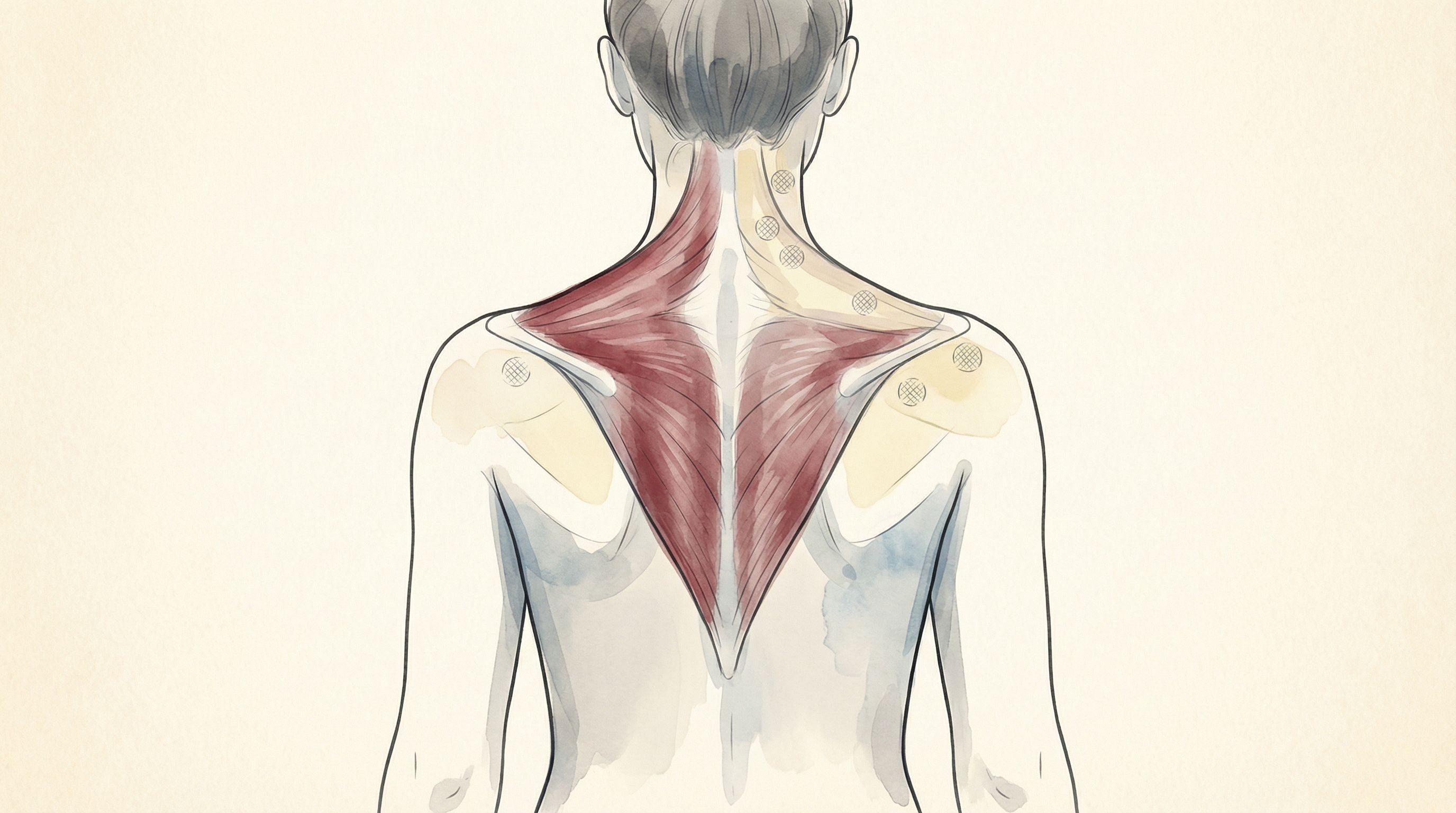
The upper trapezius fibers, closest to your neck, contribute most to that elevated shoulder appearance. Most Barbie Botox treatments target this region specifically. Some providers also treat the middle trapezius fibers for patients who want more comprehensive contouring. The lower fibers rarely receive injections since they don't affect the visible shoulder line significantly.
The muscle originates at several points along the skull and spine, inserting onto the clavicle and scapula. This complex attachment pattern explains why the trapezius performs multiple functions: elevating the shoulders, rotating the shoulder blades, extending the neck, and stabilizing the spine during arm movements. When treating this muscle, providers must balance aesthetic goals with functional preservation.
The science of muscle relaxation
Botulinum toxin works by blocking acetylcholine release at the neuromuscular junction. In simpler terms, it interrupts the signal that tells your muscle to contract. Without that signal, the muscle can't tighten. It relaxes. Over time, a relaxed muscle that isn't being used as intensely begins to atrophy slightly. The combination of immediate relaxation and gradual shrinkage creates the slimming effect.
This mechanism differs from what happens with facial Botox for 11 lines or forehead treatment. In facial applications, we're primarily preventing dynamic wrinkle formation by stopping muscle contraction. The muscle itself doesn't shrink dramatically. But with trapezius treatment, we actually want the muscle to decrease in size. The longer you maintain treatment, the more the muscle can reduce, creating progressively refined results.
The Botox results timeline for facial treatments doesn't perfectly apply to trapezius. Larger muscles take longer to show changes. They also take longer to return to baseline. This extended timeline works in your favor for maintenance, making Barbie Botox one of the longer-lasting applications of botulinum toxin.
Who actually gets this treatment
The Barbie Botox patient population is more diverse than you might expect. Yes, many are women seeking that swan-like neck aesthetic. But you'll also find:
Athletes and fitness enthusiasts who've built significant trap muscle through weightlifting, swimming, or sports like boxing and rowing. They love their strong physique but want a more balanced upper body appearance. Masseter Botox serves a similar function for athletes who've developed prominent jaw muscles from clenching during training.
Office workers with chronic tension. People who've spent years hunching over keyboards develop hypertrophied, constantly contracted traps. The muscle never fully relaxes. They come for the aesthetics and stay for the tension relief.
People with naturally prominent trapezius muscles. Some folks have genetically pronounced traps regardless of activity level. Even without working out, their shoulders look bulky. This is purely genetic variation, and Barbie Botox can help balance proportions.
Individuals experiencing tension headaches. The connection between upper trapezius tension and headaches is well documented. Relaxing this muscle can reduce headache frequency for some patients, similar to how Botox for migraines works through strategic muscle relaxation.
Men seeking aesthetic refinement. Despite the feminine name, plenty of men get trap Botox. Some want to soften a heavily muscular appearance. Others want relief from tension without taking muscle relaxants daily. The treatment works identically regardless of gender. Botox for men has grown significantly, and trapezius treatment represents a meaningful portion of male aesthetic procedures.
Brides and event-goers. Patients frequently schedule Barbie Botox 4-6 weeks before major events like weddings, galas, or photoshoots. The treatment provides optimal results right when you need to look your best in formal wear that exposes shoulders and neck.
Healthcare workers and caregivers. Jobs requiring repetitive lifting or sustained awkward postures often create chronic trap tension. Nurses, physical therapists, and home health aides frequently develop significant trapezius hypertrophy. For these patients, the treatment serves dual purposes of relief and refinement.
How many units do you actually need
This is where things get specific. The trapezius is a large muscle, and it takes significantly more units than facial treatments. While your forehead might need 10-30 units and crow's feet require 12-24 units, Barbie Botox typically requires 40-100 units per side.
That's right. Per side. Total treatment often ranges from 80-200 units.
Breaking down the dosing
Conservative approach (40-50 units per side): This works best for people with mild trapezius hypertrophy or those trying the treatment for the first time. Results are subtle but noticeable. The muscle relaxes without completely changing your shoulder shape. Most providers recommend starting here and adjusting at follow-up appointments.
Standard treatment (60-80 units per side): The sweet spot for most patients. This provides visible slimming while maintaining natural movement and function. You'll notice your shoulders look more relaxed, your neck appears longer, and tension decreases significantly. This is what most Instagram before-and-afters reflect.
Aggressive approach (80-100 units per side): Reserved for patients with significantly hypertrophied muscles or those who've had previous treatments and want enhanced results. Higher doses provide more dramatic reshaping but require careful consideration of how much you want the muscle to relax. Some functional reduction is possible at these levels.
The Botox dosage guide covers general principles of dosing, but trapezius treatment is unique. Unlike facial muscles where precise, small doses create subtle effects, the traps need volume to achieve results. This is one of the highest-dose applications of cosmetic Botox.
Some providers also offer what they call a "starter dose" of 30-40 units per side for patients who want minimal change or are testing their response before committing to a full treatment. This ultra-conservative approach produces subtle results but helps nervous first-timers understand how they respond to treatment.
Factors affecting your dosing
Your provider will assess several factors before recommending a specific unit count. Muscle size matters enormously. A competitive swimmer with years of hypertrophy needs more units than someone with mild genetic prominence. Activity level plays a role. If you plan to continue heavy upper body training, you might need maintenance doses sooner and possibly higher amounts. Treatment goals determine the approach. Do you want subtle relaxation or significant reshaping? Be clear about your expectations.
Body size and frame influence dosing too. A petite person with prominent traps relative to their frame may need fewer units than a taller, broader person with similarly proportioned muscles. The visual goal is proportion, and that varies by individual body type.
Treatment history affects recommendations. First-time patients typically start lower. Returning patients who've responded well might increase doses for enhanced effects. Those who've had previous trapezius treatments from other providers need careful assessment to avoid over-treatment.
The Botox units calculator provides estimates for various treatment areas. For trapezius, expect costs to reflect the high unit count. Speaking of which...
Understanding unit distribution
How your provider distributes units across the muscle affects results significantly. The upper trapezius typically receives the highest concentration since it contributes most to the elevated shoulder appearance. Some injection patterns include:
Linear distribution: Units placed in a horizontal line across the upper trap. Simple and effective for most patients.
Grid pattern: Units distributed in a grid for more even coverage. Often used for larger muscles or when treating both upper and middle trap fibers.
Targeted pattern: Higher concentration at specific bulking points identified during assessment. Personalized but requires experienced evaluation.
Your provider's technique matters as much as the total units used. Ask about their injection pattern and why they've chosen it for your anatomy.
What does Barbie Botox cost
Let's talk money. Barbie Botox is one of the more expensive neurotoxin treatments simply because of the unit volume required. Pricing varies by location, provider expertise, and the specific product used.
Per unit pricing typically ranges from $10-20. For a treatment using 120 units total (60 per side), you're looking at $1,200-2,400. Some practices offer package pricing for high-volume treatments, which can bring costs down to $8-12 per unit.
The Botox cost calculator helps estimate expenses based on your location and typical pricing in your area. Major cities like New York, Los Angeles, and Miami tend to have higher per-unit pricing but more experienced providers for specialized treatments like this. Providers in Chicago, Houston, and Dallas often charge slightly less while still offering excellent expertise.

Regional pricing differences
Geographic location dramatically affects cost. Here's a general breakdown:
Major coastal cities ($15-20 per unit): New York, Los Angeles, San Francisco, Miami. Higher real estate costs, higher provider demand, higher prices. But also typically more specialized expertise and competition driving quality.
Mid-size metropolitan areas ($12-16 per unit): Denver, Austin, Seattle, Atlanta. Still competitive markets with experienced providers, but lower overhead translates to better pricing.
Smaller cities and suburbs ($10-14 per unit): Phoenix, San Antonio, suburban locations. Lower pricing but potentially fewer providers with trapezius-specific experience. Research carefully.
Medical tourism destinations ($6-12 per unit): Some patients travel to Tijuana or other destinations for lower costs. Savings can be significant, but vetting providers becomes more challenging. Do extensive research if considering this option.
Is it worth the investment
That depends on what you're treating. For purely aesthetic concerns, consider how often you wear off-shoulder tops, formal gowns, or sleeveless outfits. Consider how much your shoulder silhouette affects your confidence. Some patients find the visual transformation worth every dollar. Others realize they care less than they thought once they've tried it.
For tension relief, calculate what you currently spend managing discomfort. Massage appointments. Chiropractor visits. Muscle relaxants. Pain relievers. Time lost to headaches. Some patients find that Barbie Botox costs less annually than their existing pain management routine while providing better results.
The math often works out favorably. If you spend $150 monthly on massage specifically targeting neck and shoulder tension, that's $1,800 per year. Two Barbie Botox treatments at $1,500 each totals $3,000 annually, but the relief is constant rather than lasting only days after each massage. For severe tension sufferers, the value proposition is compelling.
Botox deals and discounts sometimes include body treatments. Ask your provider about package pricing if you're planning to treat multiple areas or commit to maintenance appointments. Loyalty programs and seasonal promotions can reduce costs by 15-25% for regular patients.
What happens during treatment
The procedure itself is straightforward. Most appointments take 15-30 minutes from start to finish. Here's the typical flow.
Before you arrive
Botox preparation applies to trapezius treatment just like facial procedures. Avoid blood thinners, alcohol, and anti-inflammatory medications for several days before your appointment if possible. These increase bruising risk, and the trapezius area can be particularly prone to visible bruising given the injection volume.
Wear something that exposes your shoulders easily. Button-down shirts work well. Sports bras for women. Anything that lets your provider see and access the treatment area without requiring you to fully undress.
Stay hydrated the day before and day of treatment. Some providers believe well-hydrated tissue responds better to injection and distributes product more evenly. It won't hurt and might help.
Consider taking arnica supplements for a few days before treatment if you bruise easily. While evidence is mixed on effectiveness, many patients and providers swear by it for reducing bruising from Botox injections.
The consultation portion
Your provider will have you stand, sit, and move your shoulders to assess your muscle bulk and movement patterns. They might ask you to shrug, rotate your shoulders, or tilt your head to see how the muscle engages. This evaluation determines exact placement points and unit distribution.
Good providers mark injection sites with a temporary marker before beginning. You should see where they plan to inject. Ask questions at this stage. Want to understand the specific placement? Ask them to explain why they've chosen those points.
Photos are typically taken before treatment. These document your starting point for comparison later. They also protect both you and your provider by creating a record of your baseline anatomy.
Your provider should discuss expectations honestly during consultation. If you want dramatic results but they recommend conservative dosing for your first treatment, understand the reasoning. First treatments establish how you respond. Future treatments can adjust based on that response.
The injection process
Most providers use a series of small injections distributed across the upper trapezius on each side. Expect 4-8 injection points per shoulder, depending on their technique and your specific anatomy. Some use fewer points with higher volume per injection. Others prefer more points with smaller volumes for even distribution.
Does it hurt? Honestly, the trapezius injections can be more uncomfortable than facial Botox. The muscle is thicker and the needle travels deeper. Most people describe it as a pinching sensation followed by pressure. The actual discomfort lasts seconds per injection point. No anesthesia is typically needed, though some providers offer topical numbing cream for sensitive patients.
Some patients report that one side feels more uncomfortable than the other, often the side they carry more tension. This makes sense since tighter tissue may be more sensitive. Deep breathing helps. So does focusing on something other than the procedure.
Ice may be applied briefly before or after injections. Some providers find it helps with both discomfort and bruising. Others skip it to see the injection sites more clearly. Ask about their preference if you're concerned about pain.
Immediately after
Botox aftercare for trapezius treatment follows similar principles to facial procedures but with some adjustments. Don't lie down flat for four hours. Avoid heavy exercise for 24 hours. Don't massage the treated area since you want the product to stay where it was placed.
Unique to shoulder treatment: try to maintain normal posture. Don't actively shrug or contract your traps repeatedly. Let the muscle rest while the toxin binds to nerve receptors. Some providers recommend avoiding heavy lifting for a few days.
You can return to work immediately unless your job involves heavy physical labor. Most patients experience no downtime. Some have minor soreness at injection sites, like a light workout ache. This resolves within a day or two.
Avoid alcohol for 24 hours after treatment. It can increase bruising risk and might interfere with how the product settles. Same goes for other activities to avoid in the first 24 hours.
When do results actually appear
This is where patience becomes necessary. Unlike Botox for 11 lines where you might see changes within a week, trapezius treatment takes longer to show full results. The muscle is much larger, and the relaxation process is more gradual.
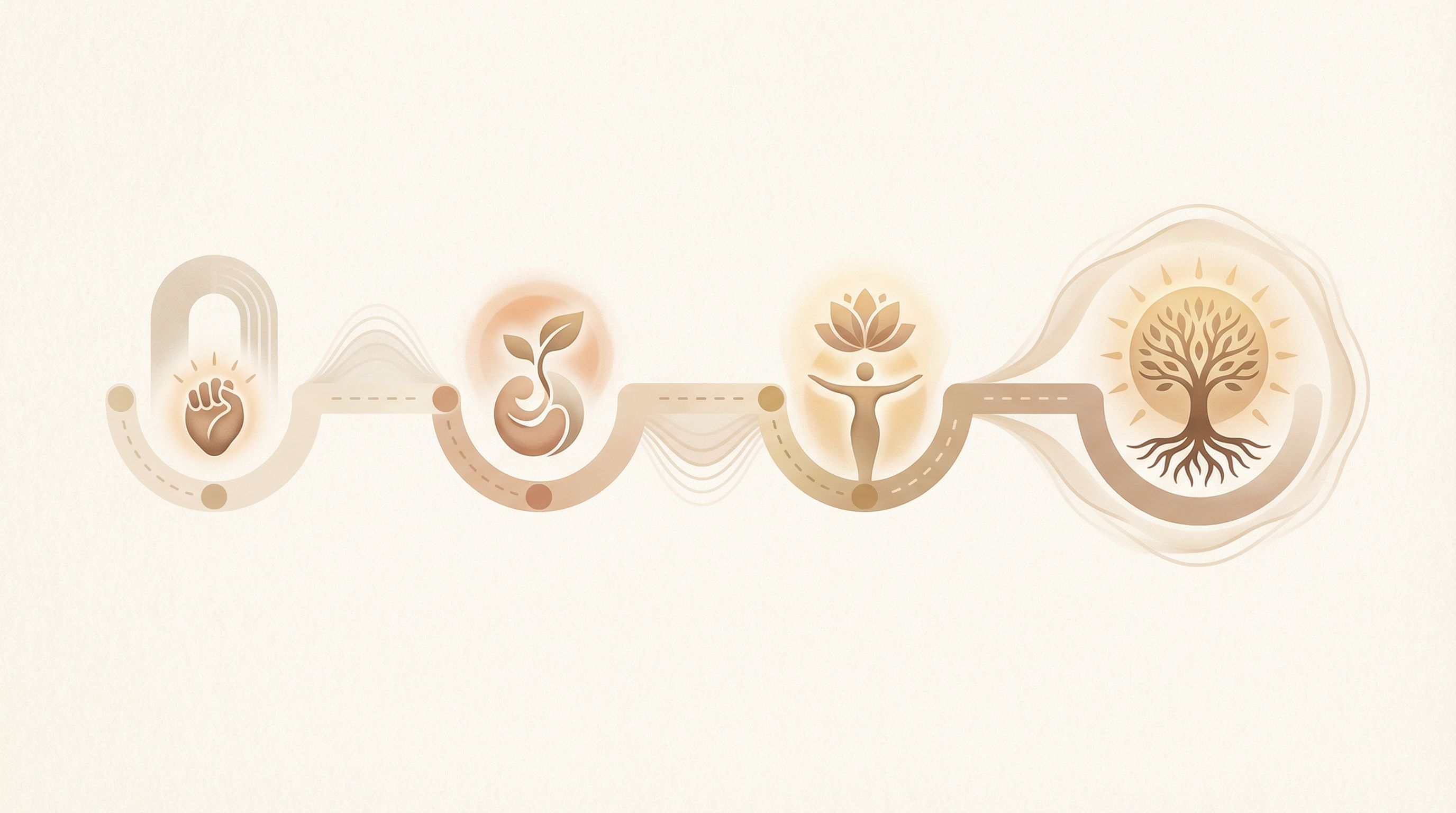
The timeline breakdown
Days 1-7: Minimal visible change. You might feel slightly less tension, but the muscle appearance remains largely unchanged. Don't panic. Don't assume it didn't work. This is completely normal for large muscle treatment.
Days 7-14: Some patients start noticing softening. The muscle may feel less "tight" when you touch it. Tension headache sufferers often report improvement during this window. Visual changes are still subtle.
Days 14-28: This is when transformation typically becomes visible. The muscle bulk reduces noticeably. Your shoulder line begins sloping more gracefully. Clothing fits differently across the upper back and shoulders. Most before-and-after photos are taken at the four-week mark for good reason.
Weeks 4-8: Peak results. The trapezius has fully relaxed to its maximum extent based on your dose. This is the best time to assess whether you want more or less effect at your next treatment.
Weeks 8-16: Results plateau and then gradually begin fading as nerve function slowly recovers. Most patients schedule their next treatment somewhere in this window to maintain effects before they diminish significantly.
The Botox results timeline explains the general science behind these stages. For the trapezius, simply extend the timeline compared to facial treatments. Everything takes a bit longer with larger muscles.
Comparing day 7 versus day 14 results for facial Botox shows how much development happens in that second week. For trapezius, extend that comparison to day 14 versus day 28. The pattern is similar, just slower.
What results actually look like
Let's be realistic about expectations. Barbie Botox creates noticeable but not dramatic change for most patients. You won't look like a different person. You won't suddenly have the proportions of an actual Barbie doll. What you will notice:
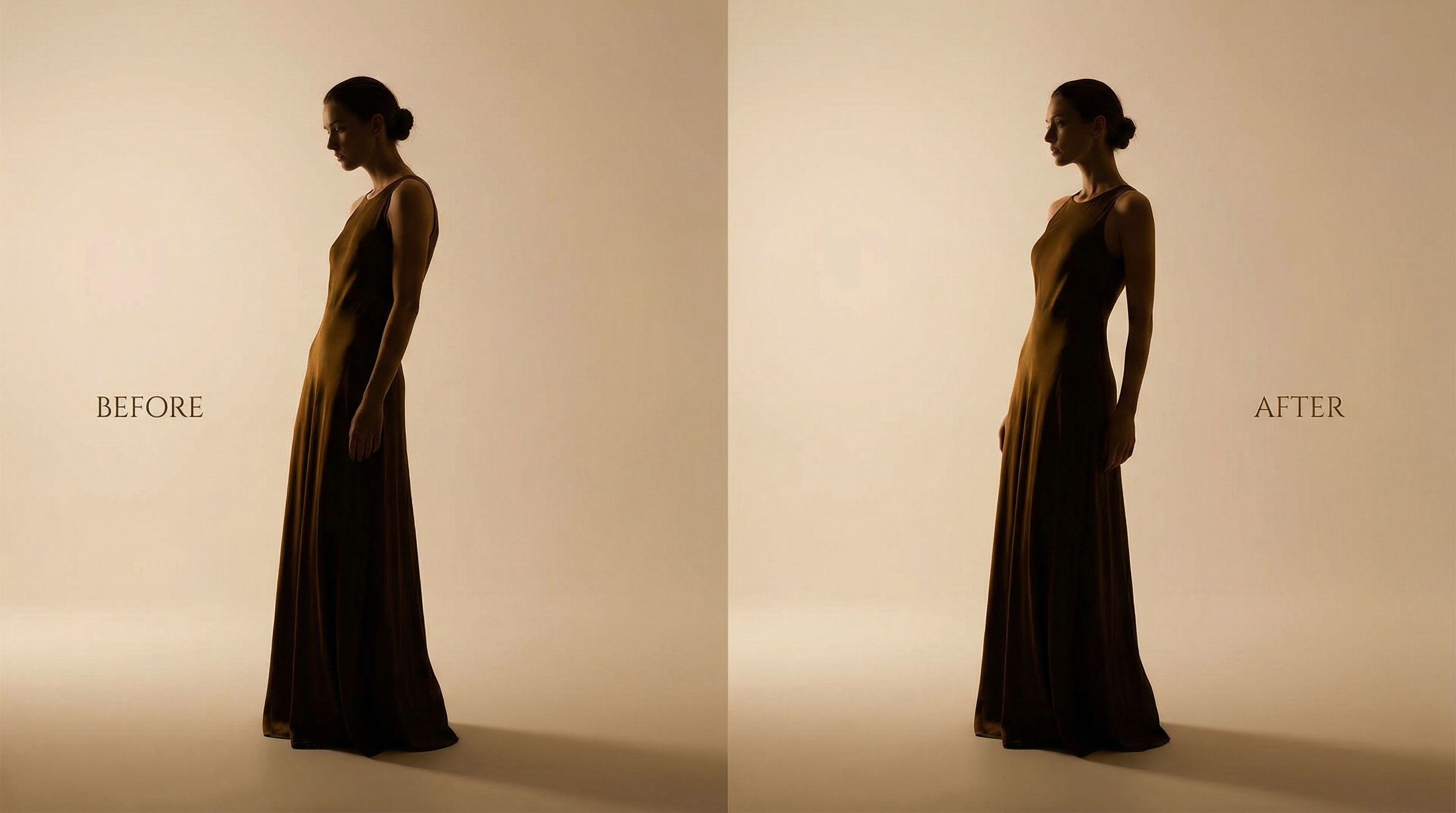
Your neck appears longer. With relaxed, lowered trapezius muscles, the visual line from your shoulder to your head extends. This is the most universally appreciated result. Photos from the side and back show this most clearly.
Your shoulder slope becomes more graceful. Instead of shoulders riding high near your ears, they settle into a more relaxed position. The angle from neck to shoulder softens. This changes how tops and dresses hang on your frame.
Your upper body appears more proportionate. If bulky traps made you look top-heavy, you'll notice better balance between your upper and lower body. Jackets fit better. Necklines look different.
Tension decreases significantly. This is the bonus many patients don't expect. That constant knot you've been carrying for years? It relaxes. Truly relaxes. Not temporarily like after a massage. But for months at a time.
Posture often improves naturally. When tension releases from chronically tight muscles, many patients find themselves standing differently. They're not consciously correcting posture. The muscles simply aren't pulling their shoulders up anymore.
Managing expectations realistically
Some patients arrive hoping for transformation that Barbie Botox can't deliver. This treatment changes muscle bulk and tension. It cannot change bone structure. Someone with naturally broad shoulders from skeletal anatomy won't suddenly have narrow shoulders. The treatment refines what's there. It doesn't rebuild the underlying framework.
Similarly, skin quality affects how results appear. If you have significant skin laxity across the upper back and shoulders, relaxing the underlying muscle won't tighten that skin. You may see improvement in the muscular component while the skin concern remains.
Setting realistic expectations prevents disappointment. A good consultation should clarify what's achievable for your specific anatomy. If a provider promises dramatic transformation without discussing limitations, be cautious.
How long do results last
Here's some good news. Barbie Botox typically lasts longer than facial treatments. While forehead Botox might last 3-4 months, trapezius results often persist for 4-6 months. Some patients report benefits lasting even longer.
Why the extended duration? The trapezius, despite being large, doesn't move with the same constant, repetitive motion as facial muscles. You're not shrugging thousands of times daily the way you're making micro-expressions. Less movement means slower toxin metabolism. Slower metabolism means longer-lasting results.
The Botox duration calculator estimates how long your results might last based on various factors. For trapezius specifically, expect to fall on the longer end of estimates.
Factors affecting duration
Activity level dramatically impacts how long results last. Athletes who continue heavy shoulder training may metabolize the toxin faster and see results fade sooner. Sedentary individuals often enjoy extended benefits.
Metabolism matters. People who metabolize Botox quickly in facial treatments will likely metabolize it quickly in the trapezius too. If your forehead Botox only lasts two months, don't expect trapezius treatment to last six.
Dose affects duration. Higher doses generally last longer because more muscle is affected. This doesn't mean more is always better, but it does explain why conservative first treatments might not last as long as subsequent sessions with optimized dosing.
Treatment history plays a role. Long-term users often report that their results last progressively longer over time. The muscle may adapt to staying relaxed. Some patients eventually extend intervals between treatments significantly.
Maintenance considerations
Most patients fall into a rhythm of 2-3 treatments per year for maintenance. Some find that after multiple treatments, the muscle atrophies slightly and they can extend intervals between sessions. Others continue at regular intervals indefinitely.
If you're an active person who uses your traps heavily, expect closer to the 4-month end of the spectrum. If you have a sedentary lifestyle and minimal trapezius engagement, you might push toward 6 months or longer between treatments.
The Botox frequency calculator helps plan your treatment schedule based on typical results patterns.
Planning maintenance ahead of time helps with budgeting. If you know you'll need two treatments per year at approximately $1,500 each, you can plan accordingly. Some providers offer prepaid packages that reduce per-treatment costs.
Comparing Barbie Botox to alternatives
Trapezius treatment isn't the only way to address shoulder aesthetics or upper body tension. Let's compare options.
Surgery vs. Botox
Some patients consider surgical trapezius reduction. This involves removing portions of the muscle for permanent slimming. It's invasive, requires significant recovery, and carries surgical risks. For most people, Botox offers a better risk-to-benefit ratio. You can try it, see if you like the results, and stop anytime without permanent changes.
Botox vs. fillers addresses a different comparison but the principle applies: non-surgical options provide flexibility that surgery cannot.
Massage and physical therapy
These help temporarily but don't change muscle bulk or resting tension the way Botox does. They're excellent complementary treatments. Many patients combine regular massage with periodic Botox to maintain both immediate relief and long-term reshaping.
Physical therapy specifically can address underlying postural issues that contribute to trap tension. If poor ergonomics or muscle imbalances created your problem, PT addresses root causes while Botox manages symptoms. Combined, they may reduce long-term treatment needs.
Muscle relaxants
Oral muscle relaxants affect your entire body and often cause drowsiness. Botox is targeted and local. You relax specific muscles without systemic effects. For chronic trapezius tension, localized treatment typically makes more sense than whole-body medication.
Long-term oral relaxant use also carries dependency risks and side effects that Botox doesn't. For ongoing tension management, targeted treatment provides a safer profile for most patients.
Other neurotoxins
What about Dysport, Xeomin, or Jeuveau? All botulinum toxin products work similarly for trapezius treatment. Some providers have preferences based on diffusion patterns or onset speed. Letybo and Nabota are newer options gaining popularity. The key is choosing an experienced provider regardless of which specific product they use.
Daxxify deserves special mention. This newer neurotoxin reportedly lasts longer than traditional Botox in some applications. For trapezius treatment, this extended duration could mean even longer intervals between maintenance sessions. Ask your provider if they offer Daxxify and whether it might benefit your specific situation.
Potential side effects and risks
Let's address concerns directly. Trapezius Botox is generally safe when performed by qualified providers, but no medical treatment is risk-free.
Common, temporary effects:
- Bruising at injection sites (very common given multiple injection points)
- Tenderness or soreness for 24-48 hours
- Mild swelling
- Temporary weakness in shoulder movement
Less common effects:
- Asymmetrical results (correctable with touch-ups)
- Excessive muscle relaxation affecting function
- Headache (usually temporary)
- Flu-like symptoms in the first day or two
Rare concerns:
- Difficulty swallowing if product spreads (very rare with proper technique)
- Allergic reaction (extremely rare)
- Extended weakness affecting daily activities
The Botox side effects page covers general considerations. For trapezius specifically, the main concern is functional impact. If your provider uses too much product or places it poorly, you might experience weakness when lifting your arms overhead or performing certain movements. This is temporary but inconvenient. Start conservative with dosing to avoid this issue.
Botox gone wrong scenarios typically result from inexperienced providers or poor patient selection. Choose carefully. Ask about your provider's specific experience with trapezius injections.
Botox bruising is particularly common with trapezius treatment because of the number of injection points involved. Expect some bruising. Most patients can cover it with clothing during the healing period. Avoiding blood thinners and alcohol before treatment minimizes this risk.
Who should avoid Barbie Botox
This treatment isn't appropriate for everyone. Skip it if:
You need full trapezius function for your profession. Certain athletes, dancers, and physical laborers rely on trapezius strength. Relaxing the muscle could impair performance or create safety issues. Discuss your specific activities with your provider.
You have neuromuscular disorders. Conditions like myasthenia gravis or ALS are contraindications for any botulinum toxin treatment.
You're pregnant or breastfeeding. Safety hasn't been established for these populations.
You have unrealistic expectations. If you expect to look like an actual Barbie doll, you'll be disappointed. This treatment refines proportions. It doesn't create cartoon proportions on real human bodies.
Your concern is primarily postural. If rounded shoulders from poor posture are your issue, physical therapy addresses the root cause better than Botox. Botox relaxes muscle, but it doesn't correct skeletal positioning or strengthen weak opposing muscles.
You have active infection in the treatment area. Wait until any skin issues, rashes, or infections have completely resolved before receiving injections.
Age-specific considerations
Different age groups approach Barbie Botox with different concerns and expectations.
Barbie Botox in your 20s
Younger patients typically seek treatment for aesthetic refinement rather than tension relief. Preventative Botox concepts apply here: starting treatment before significant hypertrophy develops can prevent that muscular buildup in the first place. Younger patients often respond well to lower doses since their muscles haven't had decades to overdevelop.
Barbie Botox in your 30s
This is the most common age group for Barbie Botox. Botox in your 30s often combines facial and body treatments for comprehensive rejuvenation. Patients in this decade frequently have established tension patterns from careers and stress but still have excellent skin quality for showing results.
Barbie Botox in your 40s
Botox in your 40s often addresses both aesthetic and functional concerns. Decades of tension have created persistent patterns. Patients may need higher initial doses to relax long-term hypertrophy. Results are excellent but may require more treatment to achieve.
Barbie Botox in your 50s and beyond
Botox in your 50s continues to provide meaningful benefits. However, skin quality changes may affect how results appear. The underlying muscle responds well, but skin may not retract as dramatically when the muscle shrinks. Realistic expectations matter more in this age group.
Finding the right provider
Provider selection matters enormously for body Botox treatments. More so than for standard facial procedures. Here's what to look for.
Experience with trapezius specifically. Not just Botox experience, but documented experience treating shoulders. Ask how many trapezius treatments they've performed. Look at before-and-after photos of their actual patients.
Understanding of anatomy. The trapezius has complex anatomy with different fiber directions. Your provider should be able to explain their injection strategy and why they've chosen specific placement points for your goals.
Conservative first-treatment approach. Good providers start with lower doses for new patients. They'd rather have you come back for a touch-up than overtreated on your first visit.
Clear communication about expectations. If a provider promises dramatic results without discussing realistic outcomes, be cautious. Honest providers explain both benefits and limitations.
Finding Botox near me is easy. Finding a provider with trapezius expertise requires more research. Consider practices that specialize in body aesthetics rather than general facial-only providers.
Credentials to look for: Board-certified dermatologists, plastic surgeons, or providers working under their direct supervision typically have the most relevant training. Nurse practitioners and physician assistants with specialized aesthetic training can also be excellent. Ask about their specific training for body Botox applications.
The experience of getting Barbie Botox

Let me walk you through what the actual experience feels like, from scheduling through full results.
Scheduling and preparation
You'll likely book a consultation first, though some providers combine consultation and treatment in one visit for established patients. Expect the initial consultation to take 20-30 minutes as your provider assesses your anatomy and discusses goals.
Leading up to treatment, follow standard Botox preparation guidelines. No blood thinners. Limit alcohol. Stay hydrated. Some patients apply arnica cream before treatment to minimize bruising potential.
Treatment day
Arrive on time. You'll change into something that exposes your shoulders if you haven't already. The provider marks injection sites, confirms you're comfortable proceeding, and begins.
The injections themselves take 5-10 minutes. Quick, focused, methodical. You'll feel pinching sensations and possibly some deeper pressure as the needle enters the muscle. Breathe through it. Focus on something else. It's over faster than most people expect.
Afterward, you might have small raised bumps at injection sites. These flatten within an hour or two. Some redness is normal. Significant swelling is not typical for trapezius treatment.
The waiting period
This is the hardest part for many patients. You've paid for treatment. You've gone through the procedure. Now you wait. And wait. And wait some more.
Trust the process. The muscle is relaxing gradually even when you can't see changes yet. Some patients become anxious around day 10 when they still don't see dramatic results. By day 21, those same patients are typically thrilled with their progress.
Take photos at consistent intervals to track your changes. What you see in the mirror daily might not show the gradual transformation that photos reveal clearly when compared side by side.
Living with results
Once fully settled, Barbie Botox integrates naturally into daily life. You'll notice your shoulders look more elegant in photos. Sleeveless tops fit better. That constant tension you'd normalized is simply gone.
Some patients report needing to adjust their workout routines initially. Heavy shoulder shrugs become less effective since the muscle doesn't contract as forcefully. Most adapt quickly and find they can maintain their training with minor modifications.
Combining Barbie Botox with other treatments
Many patients don't stop at trapezius treatment. Here's what combines well.
Facial Botox
Nothing stopping you from treating your face and shoulders in the same session. Many patients address forehead lines, 11 lines, and crow's feet alongside their trapezius for comprehensive rejuvenation.
Masseter treatment
Masseter Botox for jaw slimming pairs beautifully with Barbie Botox. Both treatments refine upper body proportions, creating a longer-looking neck and more defined jawline. The combination transforms the face-to-shoulder visual line dramatically.
Neck treatments
Botox for neck lines and Nefertiti lift Botox address the neck from different angles than trapezius treatment. Combined, they create a comprehensive neck and shoulder transformation.
Other lower face treatments
DAO Botox lifts mouth corners. Botox for chin smooths dimpling. Botox for jowls helps define the jawline. Combined with trapezius treatment, these create harmonious facial and upper body refinement.
Dermal fillers
Some patients add cheek or jawline filler to balance the softened shoulder line. With a more elegant upper body, facial definition becomes more important for overall harmony.
Skin treatments
Facials after Botox are safe once the initial settling period passes. Many patients schedule skin treatments a week or two after their Botox appointments to keep everything on a maintenance schedule.
The psychology of Barbie Botox
Let's talk about why this treatment resonates so deeply with people. It's not just about looking like a doll. It's about addressing an area that affects confidence in specific, tangible ways.
Photographs change. How many times have you seen a photo of yourself and immediately noticed your shoulders look hunched, tense, or bulky? For people with prominent traps, this is a constant source of self-consciousness. Barbie Botox changes how you photograph from virtually every angle.
Clothing options expand. Off-shoulder styles. Sleeveless dresses. Fitted blazers. Tank tops. Formal gowns. All of these look different on a body with relaxed, refined shoulders. Some patients describe feeling like they can finally wear things they'd avoided for years.
Physical comfort improves. The tension relief component shouldn't be underestimated. Living with chronic muscle tightness becomes so normal that you forget what relaxation feels like. When that tension finally releases, the emotional impact can be profound.
Posture awareness increases. When you're not fighting constant muscle tension, you become more aware of how you hold your body. Many patients find themselves naturally sitting and standing better because they're no longer bracing against discomfort.
Botox for men often includes trapezius treatment despite the feminine branding. Men experience the same tension issues and appreciate the same aesthetic refinements, even if they don't use the "Barbie" terminology.
Frequently asked questions
How many units of Botox do you need for Barbie Botox?
Most treatments use 40-100 units per side, totaling 80-200 units. The exact amount depends on your muscle size and treatment goals. Starting conservative around 50 units per side is common for first-time patients, with adjustments made at follow-up appointments based on results.
How long does Barbie Botox last?
Results typically last 4-6 months, longer than facial Botox treatments. Some patients report benefits persisting for 6+ months, especially after multiple treatment sessions. Activity level and individual metabolism affect duration.
Is Barbie Botox painful?
The injections cause moderate discomfort, more than facial Botox but tolerable for most patients. The trapezius is a thicker muscle requiring deeper needle placement. Most people describe it as pinching followed by pressure. No anesthesia is typically needed. The actual injection process takes only 5-10 minutes.
Can Barbie Botox help with tension headaches?
Yes, many patients experience reduced headache frequency. Tight trapezius muscles contribute to tension headaches for many people. Relaxing the muscle often provides relief that massage and medication couldn't achieve. This isn't guaranteed, but it's a commonly reported benefit.
Does Barbie Botox affect your ability to work out?
Minimally for most patients. You may notice reduced strength in shrugging motions or certain overhead movements. Most people adapt their training without significant impact. Athletes who rely heavily on trapezius function should discuss their activity level with their provider before treatment.
How much does Barbie Botox cost?
Expect $1,200-2,400 for a typical treatment using 120 units total. Pricing varies by location and provider. The Botox cost calculator helps estimate expenses. Some practices offer package pricing for high-unit treatments.
When can I see results from Barbie Botox?
Initial changes appear around week 2, with full results visible by week 4-6. Unlike facial Botox which often shows changes within a week, the larger trapezius muscle takes longer to fully relax. Be patient and avoid judging results before the one-month mark.
Can men get Barbie Botox?
Absolutely. The treatment works identically regardless of gender. Many men seek trapezius treatment for tension relief or to soften an overly muscular appearance. The "Barbie" name is marketing. The results benefit anyone with prominent trapezius muscles.
Will my shoulders look too sloped after treatment?
Unlikely with conservative dosing. Most patients achieve a natural, relaxed shoulder line rather than extreme sloping. Starting with lower doses and adjusting at follow-up allows personalization without over-treatment.
Can I get Barbie Botox if I lift weights?
Yes, but discuss your training with your provider. They may adjust dosing or recommend timing treatment around your workout schedule. You may need to modify certain exercises temporarily.
Is Barbie Botox the same as trapezius Botox?
Yes. "Barbie Botox" is the popular term for trapezius Botox treatment. They refer to the same procedure targeting the same muscles for the same effects.
How often do I need maintenance treatments?
Most patients maintain results with 2-3 treatments per year. The Botox frequency calculator helps estimate your specific schedule based on how long your results last.
Related guides
- Trapezius Botox: Complete treatment page for shoulder slimming
- Masseter Botox: Jaw slimming treatment that pairs well with Barbie Botox
- Botox Units Calculator: Estimate your dosing needs
- Botox Results Timeline: Understanding when to expect changes
- Botox for Men: Guide specifically for male patients
Sources
In case I don't see you, good afternoon, good evening, and good night. May your shoulders relax with grace, your neck appear swan-like, and your tension finally release for good. Explore UseBotox for comprehensive guides, calculators, and resources to plan your treatment with confidence.