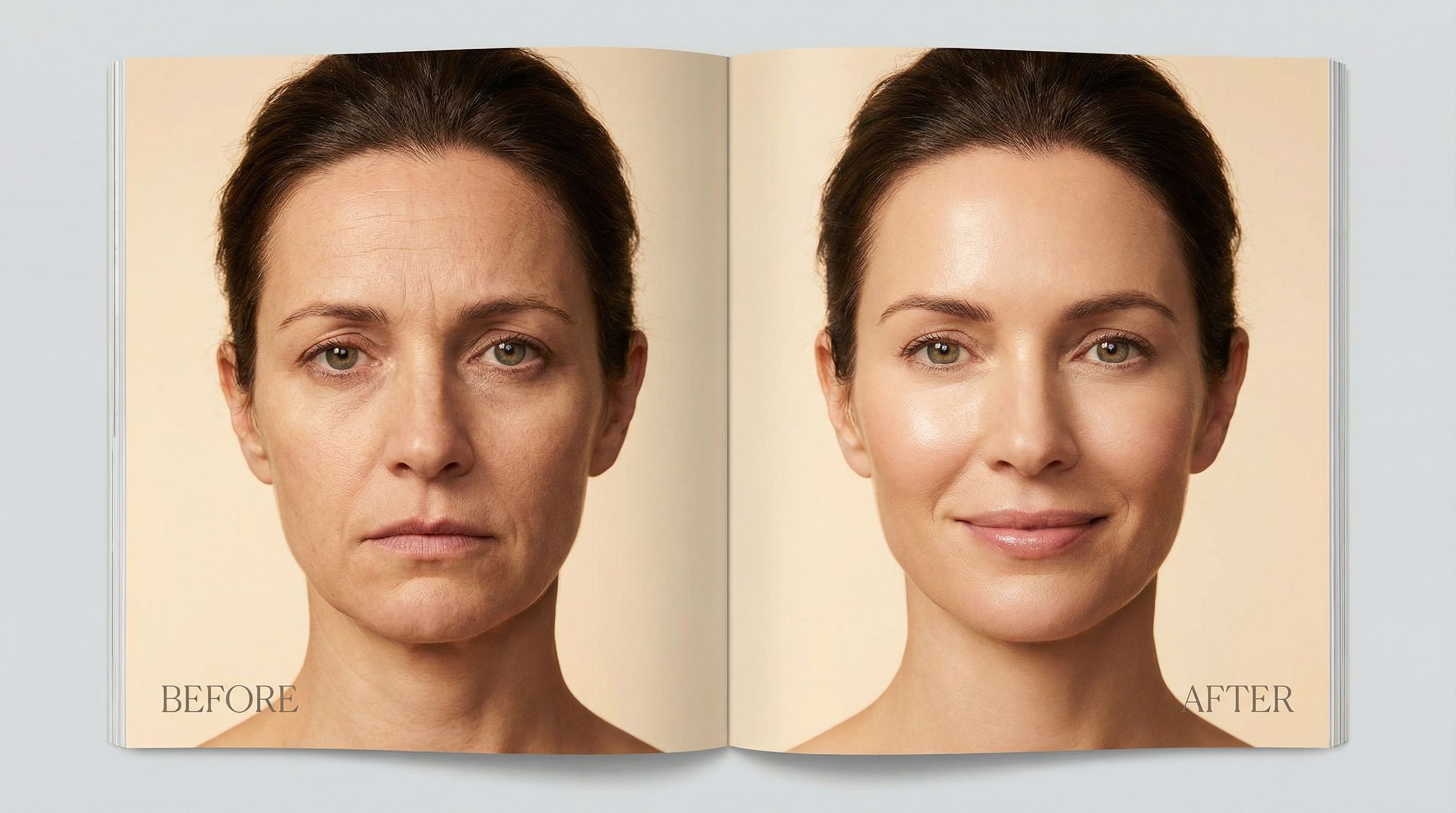
Facial After Botox: When It's Safe and What to Avoid
Complete guide to getting facials after Botox. Learn timing for hydrafacials, chemical peels, LED therapy, and which treatments to avoid.
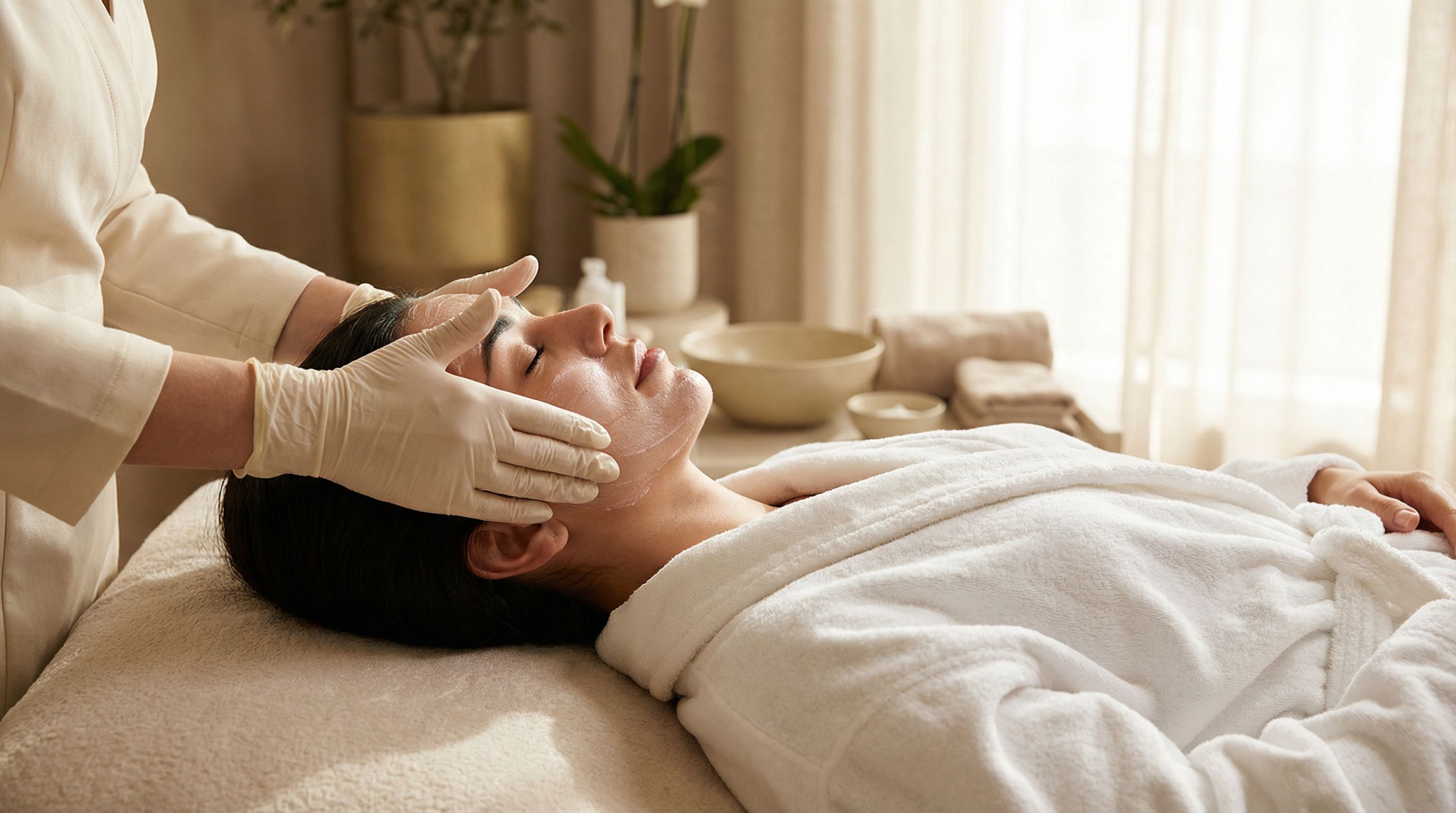
You just got Botox. Your skin looks great. Now you're wondering if you can book that facial you've been wanting. The answer isn't a simple yes or no. It depends on the type of facial, how long you wait, and what your skin actually needs.
Most facials are safe after Botox. But timing matters. Some treatments need 24 hours. Others need two weeks. A few should wait even longer. Getting this wrong won't ruin your results, but it can reduce how well your Botox works or cause unnecessary bruising and swelling.
This guide covers everything you need to know about combining facials with Botox treatments. You'll learn which facials are safe immediately, which need time, and which ones you should skip entirely during your Botox cycle. We'll also cover how to schedule your skincare appointments around your Botox treatment sessions for the best possible results.
The basics of Botox and facial timing
Botox needs time to settle into your muscles. When a provider injects those tiny amounts of botulinum toxin into your facial muscles, the neurotoxin begins binding to nerve endings. This process takes about 24 to 72 hours to really get started, with full binding occurring over the first two weeks.
During this settling period, pressure on your face can theoretically cause the Botox to migrate. Migration means the product moves from where it was injected to nearby areas. If Botox migrates from your forehead to your eyelid, you could end up with a droopy eyelid. If it moves from your crow's feet treatment area toward your cheek, you might notice asymmetry in your smile.
Now, here's the honest truth. The risk of migration from a gentle facial is pretty low. Studies show that significant migration typically requires substantial pressure applied within the first few hours after injection. Most providers are more cautious than the science strictly requires. But caution isn't a bad thing when it comes to your face.
The general rule: wait at least 24 hours for any facial that involves touching your face, and longer for anything that involves significant pressure, heat, or deep manipulation.
Understanding different facial types and their safety windows
Not all facials are created equal. A relaxing spa facial with light massage is completely different from a microneedling session or a deep chemical peel. Each type interacts with freshly injected Botox differently.
Facials safe after 24 to 48 hours
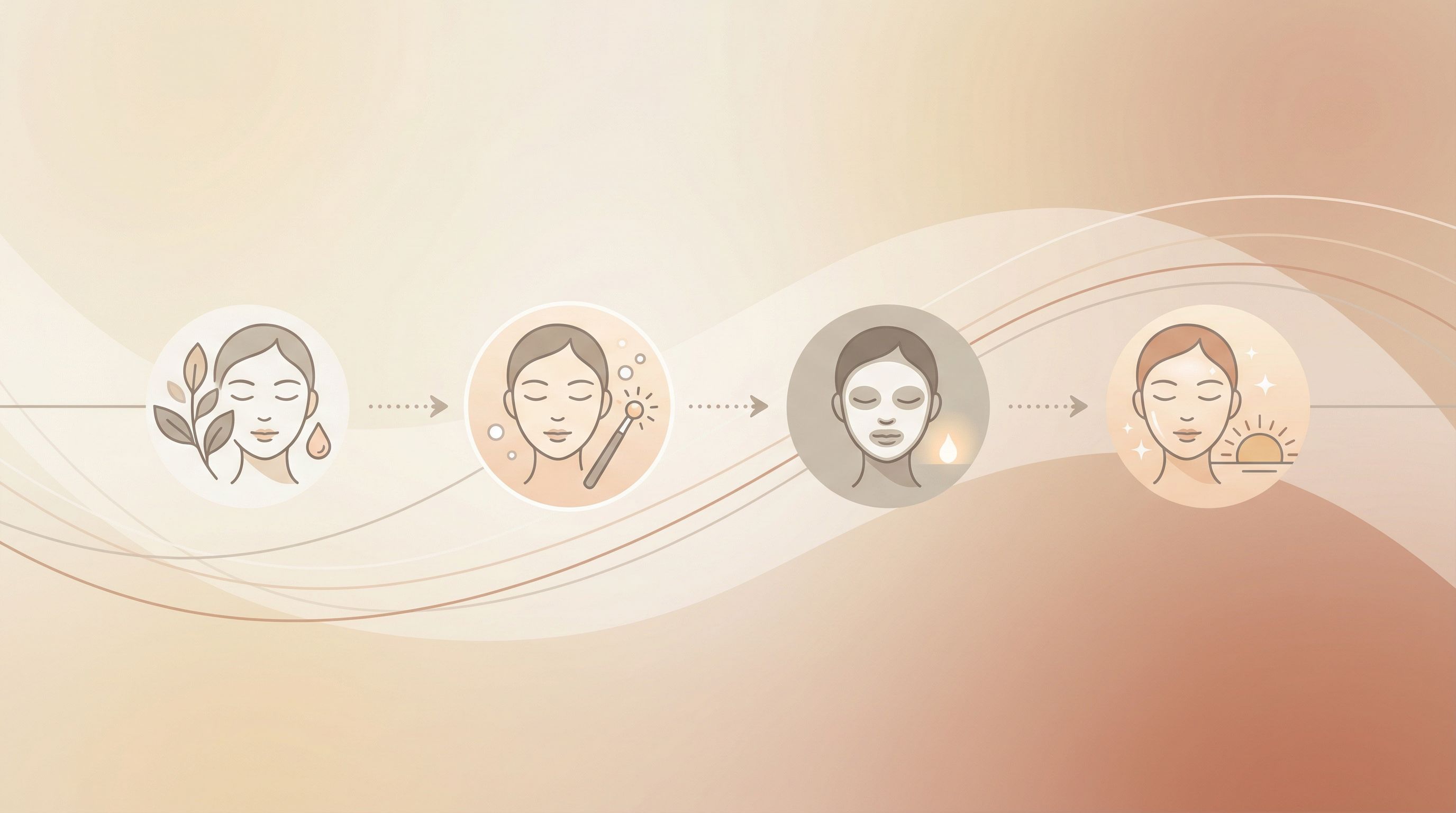
Gentle cleansing facials are the safest option shortly after Botox. These treatments focus on surface-level cleansing without deep massage or strong manipulation. An esthetician will cleanse your skin, maybe do some light extractions on areas away from your injection sites, apply a mask, and finish with serum and moisturizer.
The key with early facials is communication. Tell your esthetician exactly where you received injections. Most Botox injection sites are in the upper face: forehead, between the brows, and around the eyes. Your esthetician can focus on your lower face, jawline, and neck while avoiding the treatment areas.
Oxygen facials are another safe early option. These treatments use pressurized oxygen to deliver serums into your skin. The pressure is gentle and focused on the skin surface, not the underlying muscles. Many people actually get oxygen facials the same day as Botox without any issues, though waiting 24 hours provides an extra margin of safety.
LED light therapy is completely safe after Botox. LED facials use different wavelengths of light to address various skin concerns. Red light for collagen stimulation, blue light for acne, and so on. There's no pressure, no massage, and no manipulation involved. The light doesn't affect how Botox works or where it settles.
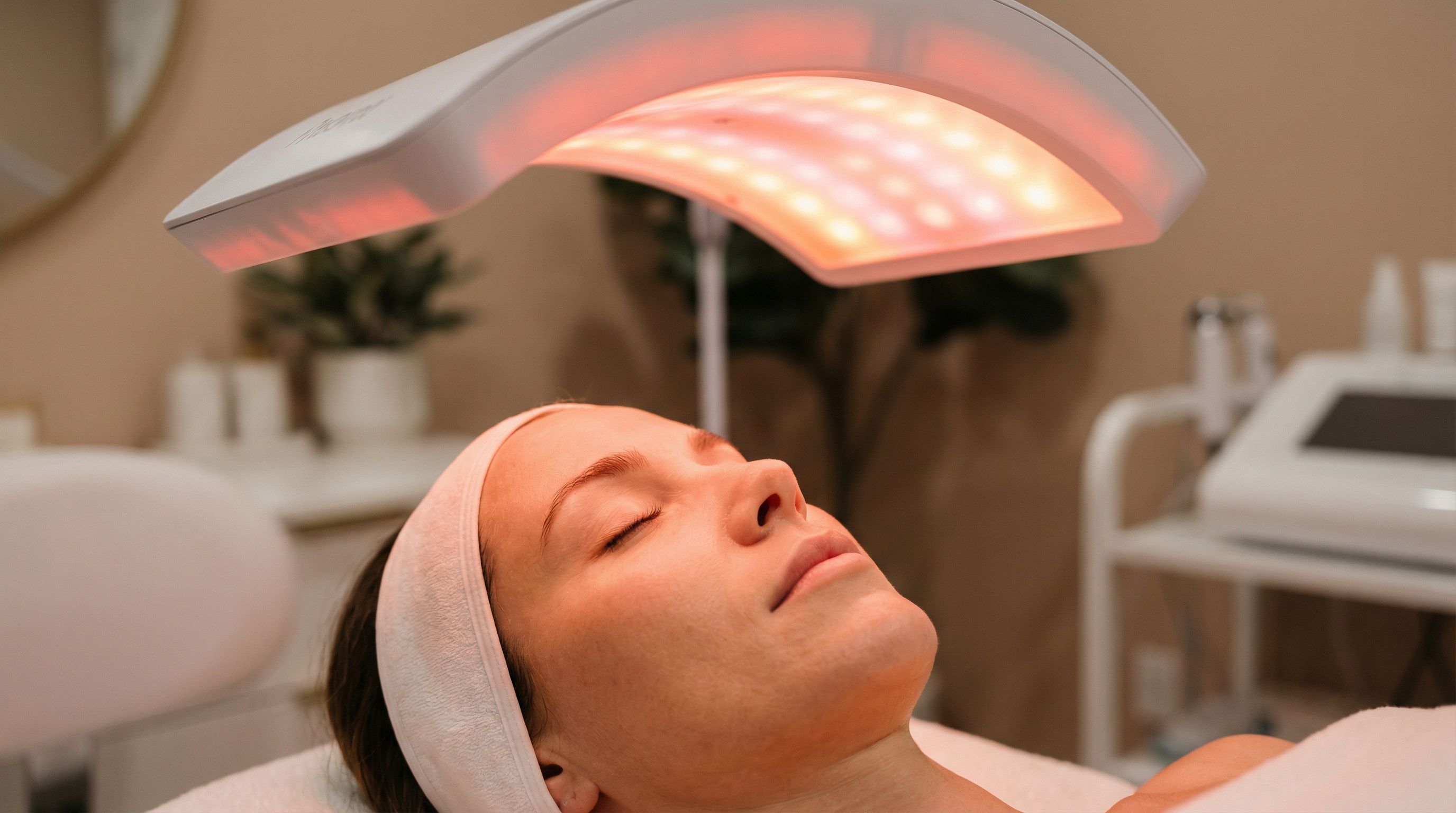
If you're combining Botox with a good skincare routine, LED therapy can complement your results nicely. The aftercare protocols for Botox focus mainly on avoiding pressure and heat, neither of which applies to LED treatments.
Facials that need 3 to 7 days
Hydrafacials need a bit more waiting time. A Hydrafacial uses a device that delivers water pressure while simultaneously suctioning to cleanse and exfoliate your skin. The suction creates negative pressure on your face, which is the opposite of pressing down, but it still creates force on your facial tissues.
Most providers recommend waiting 3 to 5 days before a Hydrafacial. Some say a full week. The treatment works on the skin surface and doesn't reach the depth where Botox sits, but the suction and movement of the handpiece across your face warrant extra caution.
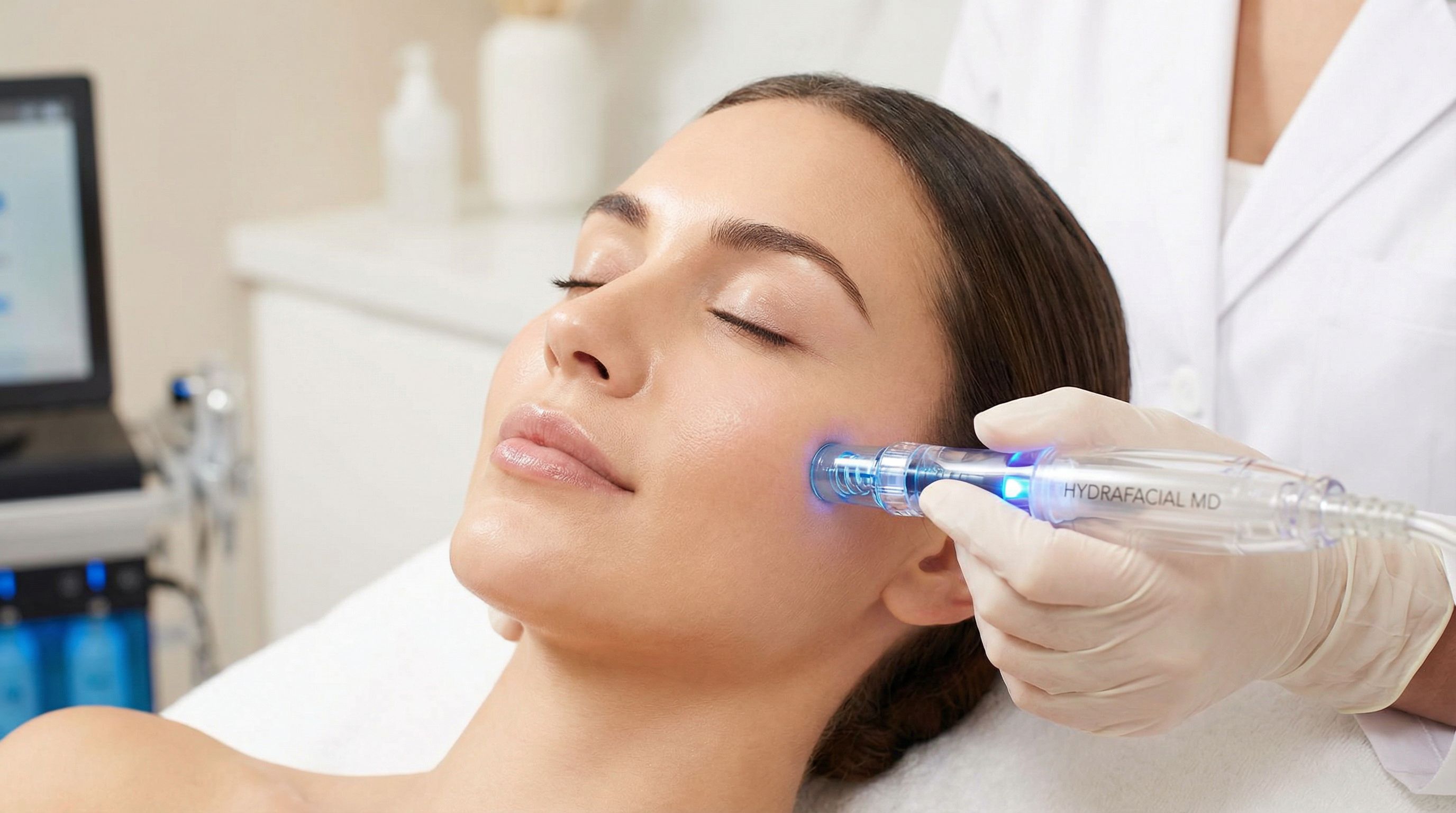
When you do get your Hydrafacial, mention your recent Botox. A good esthetician will use gentler suction settings around your treatment areas and focus more intensive work on places like your nose, chin, and jawline where you probably didn't get injected.
Lymphatic drainage facials also fall into this category. These treatments use gentle massage techniques to move fluid through your lymphatic system, reducing puffiness and promoting a healthy glow. The massage is typically light, but it does involve sustained pressure and manipulation across your entire face.
Waiting a full week for lymphatic drainage is smart. By then, your Botox is well-established in the muscle receptors, and gentle massage won't affect its placement or effectiveness.
Radiofrequency facials like certain skin-tightening treatments need at least a week, sometimes two. These devices heat the deeper layers of your skin to stimulate collagen production. Heat can potentially affect how Botox behaves, and the handpiece movement creates pressure on your face. The results timeline for your injections means waiting a full two weeks gives your Botox time to fully take effect before adding any heat-based treatments.
Facials that need 2 weeks or more
Chemical peels vary widely in intensity. A light peel with glycolic or lactic acid is relatively gentle and could potentially be done after a week. Medium-depth peels using TCA (trichloroacetic acid) should wait at least two weeks. Deep peels need even more time between treatments.
The concern with chemical peels isn't direct interaction with Botox. It's that peels increase skin sensitivity and blood flow to the treated area. If you have any residual bruising from your Botox injections, a peel could make it more visible or slow its healing. Your skin is also in a vulnerable state from the injections, and adding chemical exfoliation on top creates compounded stress.
Two weeks gives your injection sites time to fully heal, your Botox time to settle, and your skin time to return to its baseline state before you add another treatment.
Microneedling should wait at least two weeks, and many providers recommend four weeks. Microneedling creates thousands of tiny punctures in your skin to stimulate collagen production. The device presses against your face, and the needles penetrate through the epidermis into the dermis.
For anyone who's had Botox in their forehead or 11 lines, microneedling those same areas too soon could theoretically allow the Botox to migrate through the needle channels. This risk is probably overstated in practice, but why take the chance? Wait a month if you want to microneedle the same areas where you received injections.
Dermaplaning also benefits from a two-week wait. The scraping motion of the blade across your skin creates significant lateral pressure. While dermaplaning doesn't penetrate the skin like microneedling, the pressure and manipulation warrant caution.
Facials to avoid during your Botox cycle
Some facials don't mix well with Botox at any point in your treatment cycle. If you're maintaining regular Botox appointments every three to four months, these treatments might need to be scheduled very strategically or avoided entirely.
Deep tissue facial massage applies significant pressure to your facial muscles. This type of massage aims to release tension in the muscles themselves, not just improve circulation or lymphatic flow. If your muscles are relaxed from Botox, deep manipulation doesn't make much sense anyway. The whole point of Botox is muscle relaxation. Intensely massaging those same muscles works against your treatment goals.
Gua sha and facial cupping have become popular in recent years. Both techniques involve significant pressure and manipulation. Gua sha uses a flat tool scraped across the skin with moderate to firm pressure. Facial cupping creates strong suction that lifts tissues away from underlying structures. Neither is a great match for recently injected Botox.
If you love these techniques, do them on your lower face and neck, avoiding anywhere you received injections. Or schedule them for the week before your Botox appointment rather than after.
Cryotherapy facials expose your skin to extreme cold. Cold causes blood vessels to constrict, which can affect circulation to injection sites. More importantly, extreme cold can potentially affect the stability of the botulinum toxin. Most providers recommend avoiding extreme temperatures for at least 24 to 48 hours after Botox, with some suggesting a week.
Planning your facial schedule around Botox
Smart scheduling means you never have to choose between your Botox and your facials. You can have both. You just need to plan.

Before your Botox appointment, you have complete freedom with facials. Get your Hydrafacial, your microneedling, your chemical peel, whatever you want. Just schedule these treatments at least 24 hours before your Botox, preferably a few days before. This gives your skin time to calm down before adding injections on top.
Some people like to get a good facial 3 to 5 days before Botox. Clean, healthy skin takes injections well and heals faster afterward. Your Botox preparation routine might include a gentle facial as part of getting your skin in optimal condition.
The first 24 hours after Botox are the most restrictive. No facials, no massage, no manipulating your face at all. You shouldn't even touch your face more than necessary. This is when your Botox is most vulnerable to migration, though the actual risk is relatively low with normal activity.
Days 2 through 7 open up gentler options. LED therapy, oxygen facials, and very gentle cleansing facials are fine. Avoid anything with significant pressure, suction, or massage.
Weeks 2 through 4 allow most standard facials. Hydrafacials, lymphatic drainage, light chemical peels, and most spa facials are safe. You're still better off waiting for microneedling and medium or deep peels.
After 4 weeks, essentially everything is fair game. Your Botox is fully settled, your injection sites are completely healed, and you can treat your skin however you like. Just keep in mind that your next Botox appointment will reset the timeline.
If you see results from your Botox by day 14, you'll know your treatment has fully taken effect. That's a good milestone for scheduling more intensive facials.
Why timing matters for your results
Understanding the science helps you make smart decisions about your skincare routine.
Botox binding takes time. After injection, the botulinum toxin gradually binds to receptors on nerve endings that control your facial muscles. This binding process starts immediately but takes 2 to 14 days to complete. During this time, the toxin molecules are essentially finding their permanent homes in your neuromuscular junctions.
Pressure during this window could theoretically push unbound toxin molecules away from where they were injected. The result might be less effect where you wanted it and unintended effects where you didn't. In practice, this typically only matters with significant pressure applied within the first few hours.
Your injection sites are wounds. Those tiny needle pricks might seem insignificant, but they're punctures in your skin. They need time to heal. Adding more trauma through aggressive facials prolongs healing and increases risks of infection, scarring, or pigmentation changes.
Inflammation stacks up. Both Botox and facials create inflammatory responses in your skin. Inflammation is actually part of how both treatments work. Botox triggers a local inflammatory response as part of its mechanism. Facials like chemical peels and microneedling rely on controlled inflammation to stimulate repair and renewal. Layering too much inflammation at once overwhelms your skin's healing capacity.
The side effects of Botox are generally mild and temporary. But adding facial treatments too soon can intensify and prolong these effects unnecessarily.
Special considerations for different Botox treatment areas
Where you got your Botox affects which facials are safe and when.
Forehead and glabella (11 lines) are the most common injection sites. These areas are also where most facial massage and manipulation focuses. If you got Botox in your upper face, you'll need to be most careful about treatments that involve forehead pressure or massage.
For the forehead specifically, avoid any facial that includes forehead massage for at least a week. LED therapy and masks are fine. Cleansing is fine. But skip the massage portion until your Botox has settled.
Crow's feet injections sit around the outer corners of your eyes. This area doesn't get as much attention during standard facials, making most treatments safer earlier. Eye masks and eye creams are fine immediately. Just avoid pressing or massaging the outer eye area.
Understanding the units needed for different areas helps you appreciate why some zones need more caution than others. Areas receiving more units have more product that could potentially migrate.
Lip flip and lower face Botox create different considerations. The lip flip procedure puts small amounts of Botox around your mouth. If you've had this done, avoid facials that include lip massage or treatments focused on the perioral area. Most standard facials don't involve much lip area work anyway.
Masseter Botox for jawline slimming is injected deep into the masseter muscle. This area is relatively safe for most facials because standard treatments don't work this deep. However, techniques like gua sha that specifically target the jaw should wait at least two weeks.
Neck treatments like the Nefertiti lift put Botox along the jawline and into the neck. If you've had neck Botox, communicate this clearly to any esthetician giving you a facial. Neck massage is a common component of facial treatments and should be avoided on recently injected areas.
Facials that complement Botox results
Some facials actually enhance what Botox does for your appearance. Strategic combination of treatments gives better results than either alone.
Hydrating facials boost skin quality without interfering with Botox. Well-hydrated skin looks smoother and healthier. Fine lines and wrinkles appear less prominent. While Botox relaxes the muscles that create dynamic wrinkles, hydration helps with the surface texture.
LED therapy stimulates collagen production over time. Red and near-infrared wavelengths encourage your skin to produce more collagen, improving firmness and reducing static wrinkles. Botox handles the dynamic wrinkles from muscle movement. LED handles the static wrinkles from collagen loss. Together, they address wrinkles from multiple angles.
Enzyme facials dissolve dead skin cells without irritation. Gentle enzymatic exfoliation reveals fresher skin without the inflammation of chemical or physical exfoliation. This type of facial is safe within a few days of Botox and helps your skin look its best while your injections take effect.
Oxygen facials deliver hydration and antioxidants deep into your skin. The pressurized oxygen helps serums penetrate without requiring massage or manipulation. Many medical spas offer oxygen facials as a same-day add-on to Botox for this reason.
If you're working with the cost of your Botox treatment and want to maximize results, adding a compatible facial can enhance your investment. The UseBotox cost calculator helps you budget for both Botox and complementary treatments.
What happens if you get a facial too soon
Let's address the realistic worst-case scenarios so you can make informed decisions.
Migration is the main concern. If pressure on your face causes Botox to spread beyond its intended location, you might see effects you didn't want. The most common problematic migration is from forehead injections down to the eyelid, causing ptosis or droopy eyelid. This typically only happens with very aggressive manipulation in the first few hours, not from a gentle facial days later.
Ptosis is temporary. It usually resolves within 2 to 6 weeks as the misplaced Botox wears off. Annoying? Yes. Dangerous? No. And it's quite rare from facial treatments specifically.
Reduced effectiveness is possible if facial treatments disperse the Botox before it binds to nerve receptors. You might notice your results aren't as strong or don't last as long as expected. This is more theoretical than proven, but it's reasonable to assume that keeping the product where it was injected gives the best results.
If you're concerned about how long your Botox will last, protecting it during the settling period makes sense.
Bruising and swelling can worsen if you add facial manipulation to already-traumatized skin. Your injection sites might swell more, bruise more visibly, or take longer to heal. This isn't medically serious but can be cosmetically frustrating.
Infection risk increases slightly if facials are done before injection sites fully close. Those tiny needle punctures are entry points for bacteria. Most heal within hours, but aggressive facials within 24 hours could introduce contaminants.
The guidance about things that can go wrong with Botox typically doesn't include facials as a major risk factor. These concerns are worth understanding but shouldn't cause undue anxiety.
Communicating with your providers
Your injector and your esthetician should both know about your combined treatment plans.
Tell your Botox provider about any facials you have scheduled. They might adjust their injection technique or timing based on your plans. They can also give you specific guidance based on exactly where and how much they injected.
Tell your esthetician about your recent Botox. A good esthetician will modify their approach based on your injection history. They'll avoid massage on treated areas, use gentler settings, and focus on zones where you didn't receive injections.
Don't be embarrassed to share treatment information. Both professionals want the best results for you. They can only optimize their approach if they know what else you're doing.
UseBotox provides resources to help you communicate effectively with providers. Understanding the basics of how Botox works and what to expect from treatment helps you ask the right questions.
Building your ideal treatment schedule
Here's a practical approach to scheduling everything for maximum benefit.
Monthly rhythm: Get your intensive facials like Hydrafacials or light peels monthly. Schedule these about 3 weeks after your Botox appointments, giving plenty of buffer time for your injections to settle.
Quarterly rhythm: Schedule Botox treatments every 3 to 4 months based on the frequency recommendations for your goals. Plan your more intensive facials for the weeks when you're furthest from your injections.
Weekly maintenance: LED therapy and very gentle facials can be done weekly throughout your Botox cycle. These don't interfere with your results and keep your skin in great condition.
Annual planning: If you're doing something intensive like a series of microneedling treatments, plan these for a specific block of time and adjust your Botox schedule accordingly. You might delay a Botox appointment by a few weeks to accommodate a microneedling series.
The dosing guide can help you understand what to expect from each appointment, making it easier to plan your overall treatment calendar.
Specific facial brands and treatments
Let's get specific about popular facial treatments and their compatibility with Botox.
HydraFacial MD: Wait 3 to 5 days minimum, 7 days ideally. The suction is the main concern, but the serum infusion portion is completely safe.
OxyGeneo: This oxygen facial is generally safe within 24 to 48 hours. The treatment oxygenates and exfoliates gently without significant pressure.
Dermalinfusion: Similar to HydraFacial, wait 3 to 5 days. The suction component requires the same caution.
Diamondtome microdermabrasion: Wait at least 7 days, preferably 2 weeks. The abrasive action and pressure warrant extra caution.
Circadia Oxygen Rx: Safe within 24 to 48 hours. No significant pressure involved.
Environ facials: Depend on the specific treatment. Enzyme peel versions are safe within a few days. Anything with sonophoresis or intense massage should wait 1 to 2 weeks.
Fire and ice facial: Wait at least a week. The extreme temperature changes warrant caution with recent Botox.
Cryofacial: Wait at least a week, possibly two. Extreme cold may affect Botox stability.
Vampire facial (PRP with microneedling): Wait 4 weeks minimum. This is an intensive treatment that shouldn't be combined closely with Botox.
Chemical peels by strength:
- Lactic and glycolic peels: 1 week
- Jessner peels: 2 weeks
- TCA peels: 2 to 4 weeks
- Phenol peels: 4+ weeks
For people comparing Botox to other treatments, understanding how facials work with different injectables helps with overall planning.
At-home facials after Botox
You don't have to go to a spa for every facial. Many at-home treatments are safe shortly after Botox.
Sheet masks are completely safe immediately after Botox. Gentle hydration without massage or pressure. Just don't press the mask firmly into your skin, let it sit and absorb naturally.
Overnight masks work the same way. Apply, let it absorb, wake up with hydrated skin. No manipulation required.
Gentle cleansing devices like soft silicone face brushes are fine after 24 to 48 hours. Use light pressure and avoid directly scrubbing injection sites.
At-home LED devices are safe immediately. Red light therapy masks and wands don't interact with Botox at all.
Gua sha and jade rollers should wait at least 2 weeks. Even at-home, these create pressure that could theoretically affect recent injections.
At-home microcurrent devices like NuFace should wait 2 weeks. While the electrical current is gentle, the device still presses against your face.
At-home microneedling with derma rollers should wait 4 weeks, same as professional microneedling.
The aftercare instructions for Botox typically mention avoiding facial manipulation. Home facials that don't involve pressure fit within these guidelines.
Combining Botox with professional skincare programs
Many people do Botox alongside professional skincare programs like medical-grade facial series or skin rejuvenation protocols.
Sequential planning works best. Rather than doing everything at once, stagger your treatments. Start your skincare series, get a few sessions in, then add Botox when you're ready. Or start with Botox, wait 4 weeks, then begin your facial program.
Communication is critical. If you're working with both an injector and an esthetician or dermatologist, make sure they know about each other's treatments. Some clinics offer both services and can coordinate internally. If you're seeing different providers, you'll need to facilitate this communication yourself.
Budget for both. Quality skincare and Botox both require ongoing investment. The cost calculator can help you budget for Botox. Factor in your facial costs as well to create a sustainable long-term plan.
For those researching Botox alternatives or different neurotoxin brands, the same facial timing guidelines generally apply to all botulinum toxin products.
Age-specific considerations
Your age and skin condition affect how you should approach facials after Botox.
In your 20s and early 30s, preventative Botox typically uses lower doses. Your skin recovers quickly from both treatments. You can often resume gentle facials within 24 to 48 hours without issues. The main reason to wait is caution about migration, not skin sensitivity.
In your late 30s and 40s, skin takes slightly longer to recover from any treatment. Waiting the full recommended time between Botox and facials gives your skin the best chance to heal optimally. This age range benefits most from combining Botox with collagen-stimulating facials. Explore the guide for Botox in your 40s for age-specific insights.
In your 50s and beyond, skin is thinner and more delicate. Recovery from treatments takes longer. Be more conservative with timing between treatments. If guidelines say wait 1 week, wait 2. If they say 2 weeks, wait 3. Your skin will thank you. The guide for Botox in your 50s offers relevant considerations.
For men, the same timing guidelines apply, though men often receive higher Botox doses due to stronger facial muscles. Botox for men focuses on natural results, and protecting those results with proper post-treatment care is equally important.
Seasonal considerations
The time of year affects both Botox and facial planning.
Summer: Heat and sun exposure are concerns after both Botox and many facials. If you're getting both treatments, be extra careful about sun protection. The aftercare emphasis on avoiding heat applies to summer outdoor activities.
Winter: Dry, cold air stresses skin that's recovering from treatments. Hydrating facials complement Botox well during winter months. The healing environment is also less prone to bacterial issues.
Before events: Planning Botox and facials before special occasions requires careful timing. Get your Botox at least 2 weeks before the event, ideally 3 to 4 weeks. Get any aggressive facials even earlier. In the days right before the event, stick to gentle treatments only.
Holiday seasons: Many people want to look their best for holiday gatherings. Plan your treatment calendar starting 6 to 8 weeks before major holidays to allow proper spacing between appointments.
Quick reference guide
Safe immediately (0 to 24 hours):
- Sheet masks
- Overnight masks
- LED light therapy
Safe after 24 to 48 hours:
- Gentle cleansing facials (avoiding injection sites)
- Oxygen facials
- Enzyme facials
Safe after 3 to 7 days:
- Hydrafacials
- Light exfoliation facials
- Mild chemical peels (glycolic, lactic)
Safe after 2 weeks:
- Most spa facials with massage
- Medium chemical peels
- Radiofrequency treatments
- Lymphatic drainage massage
- Dermaplaning
Safe after 4 weeks:
- Microneedling
- Deep chemical peels
- Intensive resurfacing treatments
- PRP treatments
Use caution throughout Botox cycle:
- Deep tissue facial massage
- Gua sha on injection areas
- Facial cupping
- Cryotherapy
Use the units calculator to understand your treatment scope, which helps contextualize how conservative you should be with facials.
Frequently asked questions
Can I get a facial the same day as Botox?
You can get a very gentle facial the same day, but most providers recommend waiting at least 24 hours. LED therapy and sheet masks are fine immediately. Anything involving pressure, massage, or manipulation should wait.
Will a facial ruin my Botox results?
A facial done at the appropriate time won't ruin your results. Even facials done slightly too early rarely cause significant problems. The guidelines are conservative to maximize results, not because minor violations cause disasters.
How long after Botox can I get a HydraFacial?
Wait at least 3 to 5 days for a HydraFacial, with 7 days being ideal. The suction component is the main reason for caution. Tell your esthetician about your recent Botox so they can adjust suction settings.
Can I do my own facial at home after Botox?
Yes, with limitations. Sheet masks, hydrating serums, and LED devices are fine immediately. Avoid any at-home treatments involving pressure, massage tools, or microneedling for the same timeframes as professional treatments.
Is microneedling safe after Botox?
Microneedling should wait at least 2 to 4 weeks after Botox. The needles penetrate the skin, and the device applies pressure. Both factors warrant significant waiting time. Some providers recommend waiting until just before your next Botox appointment.
Can I get a chemical peel after Botox?
Light peels can be done after 1 week. Medium peels should wait 2 weeks. Deep peels need 4 or more weeks. The wait time is mainly about skin healing and sensitivity rather than direct interaction with Botox.
What about facials before Botox?
Facials before Botox are generally fine. Just allow 24 hours between your facial and Botox appointment for any residual skin sensitivity to settle. Many people find that healthy, well-maintained skin responds better to Botox.
Does facial massage move Botox around?
In the first 24 to 48 hours, significant pressure could theoretically cause some migration. After that, the Botox has bonded to nerve receptors and won't move. Gentle massage after the initial period is safe.
Related guides
- Botox aftercare: complete guide
- Botox results timeline
- Botox side effects explained
- Botox preparation tips
- Botox frequency calculator
Sources
In case I don't see you, good afternoon, good evening, and good night. May your facials stay perfectly timed, your Botox stay exactly where it belongs, and your skin stay glowing all year round. Explore UseBotox for comprehensive guides and calculators to plan your complete treatment schedule.